Captivating Introduction
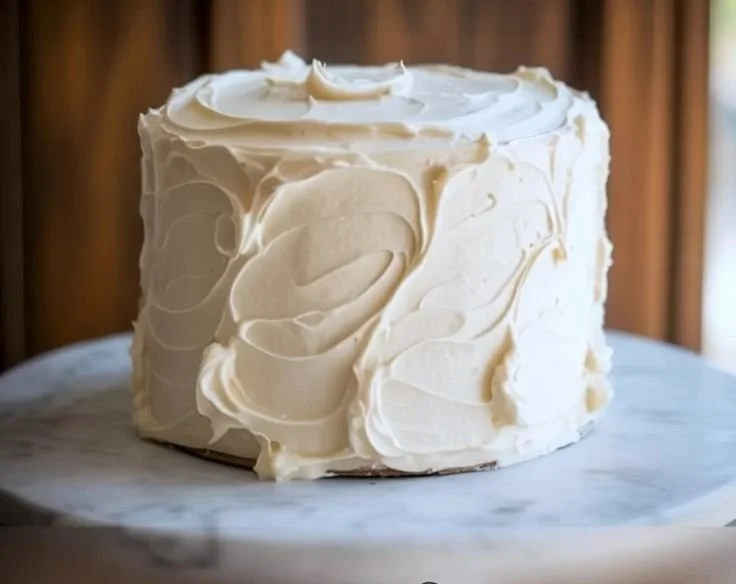
There’s something irresistible about the glossy, ivory swirl of Russian Buttercream as it’s spread across a warm slice of cake—the aroma of sweetened condensed milk and butter combines into a nostalgic, almost caramel-like perfume that draws people to the table. The first taste is luxuriously creamy, with a silky mouthfeel that melts into a delicate sweetness and a hint of vanilla; the texture sits between a traditional American buttercream and a whipped ganache—light enough to pipe pretty rosettes, yet rich enough to make every bite feel indulgent.
This frosting is perfect for festive gatherings, birthday cakes, and afternoons when you want something comforting with minimal fuss. It’s also an excellent choice for bakers who crave a reliable frosting that holds structure but still feels soft on the palate—great for piping, layer cakes, and sandwich cookies alike. If you enjoy experimenting with buttercreams, you might also like a caramel riff; for an inspired variation, check out this caramel buttercream idea: caramel buttercream frosting inspiration.
At a Glance
- Prep Time: 10 minutes
- Cook Time: 0 minutes (no cooking required)
- Total Time: 10 minutes
- Servings: Makes about 2 cups of frosting — enough for a 2-layer 8–9" cake or ~12 generous cupcake frostings
- Difficulty Level: Easy — ideal for beginner to intermediate bakers
Nutrition Highlights
Estimated nutrition per serving (based on 12 servings for the recipe below). Values are approximate and calculated using USDA FoodData Central entries for unsalted butter and sweetened condensed whole milk; use these as a guide rather than a lab-precise measurement.
Per serving:
- Calories: ~217 kcal
- Protein: ~2.2 g
- Total Carbohydrates: ~13.9 g (Sugars ≈ 13.9 g)
- Total Fat: ~17.6 g
- Saturated Fat: ~11.0 g
- Sodium: ~24 mg
Note: This frosting is calorie- and fat-dense due to its butter and sweetened condensed milk base. For official nutrient profiles, see government nutrition databases such as USDA FoodData Central; consult a registered dietitian for personalized advice.
Why You’ll Love It
- Irresistible texture and flavor: Russian Buttercream straddles the line between light and decadent — silky, not cloying, with a sweet, slightly toasty note from the condensed milk that makes it feel special.
- Speed and simplicity: With only a handful of ingredients and no tempering or staged cooking, this frosting comes together in minutes, making it ideal for last-minute cake projects or when entertaining.
- Reliable performance: It holds piped shapes well for presentation but remains soft enough to slice through gracefully, making it a favorite for layer cakes and elegant cupcakes.
- Nostalgia and comfort: The flavor often evokes childhood memories of caramelized milk confections, adding emotional warmth to holiday desserts and family gatherings.
Preparation Guide
Ingredients:
- 1 cup (306 g) sweetened condensed milk
- 1 cup (227 g / 2 sticks) unsalted butter, softened to room temperature
- 1 teaspoon vanilla extract
- Pinch of salt
Optional ingredients and substitutions:
- For a deeper vanilla aroma, use 1 teaspoon of vanilla bean paste instead of extract.
- To reduce sweetness slightly, substitute up to 1/4 cup of the condensed milk with 1/4 cup heavy cream (texture may be softer).
- For a stabilizing lift in warmer climates, add 1–2 tablespoons powdered sugar or 1 teaspoon meringue powder.
- Vegan variation: Use vegan butter and a vegan condensed milk alternative (results vary; see Variations).
Step-by-step instructions:
- In a mixing bowl, beat the softened butter on medium-high speed until creamy and pale, about 2–3 minutes.
- With the mixer on low, slowly add the sweetened condensed milk in a thin stream, continuing to mix until well combined—about 1–2 minutes. Increase speed to medium and whip for another 2 minutes to aerate.
- Add the vanilla extract and a pinch of salt, then mix until the frosting is smooth and fluffy, about 30–60 seconds. Scrape the bowl as needed.
- Use immediately to frost cakes, cupcakes, or sandwich cookies. If the buttercream seems too soft, chill for 10–15 minutes and re-whip briefly before piping.
Practical tips:
- Avoid overmixing once combined; too much air can make the buttercream overly soft and cause it to settle.
- Ensure butter is fully softened (but not melted) for a lump-free texture. If butter is too soft, chill briefly and then whip.
- For sharp piped edges, chill the frosted cake for 10–20 minutes, then re-pipe or smooth for a refined finish.
Best Pairings
- Classic pairings: This buttercream is exceptional on vanilla, chocolate, or carrot cakes. Its creamy sweetness balances dense, spiced bakes.
- Cookie idea: Use as a filling in sandwich cookies for a decadent treat.
- Beverage pairings: Serve alongside robust coffee, espresso, or a slightly bitter black tea to cut the sweetness.
- Presentation tips: Pipe rosettes or ruffled swirls with an open star or petal tip; smooth with an offset spatula for a lacquered finish. For a subtle garnish, grate a little dark chocolate over the top or add a light dusting of finely chopped toasted nuts.
For another buttery, flavor-forward frosting idea that pairs well with elegant cakes, consider this caramel-focused recipe reference in my notes: caramel buttercream frosting inspiration.
Shelf Life & Storage
- Room temperature: Covered at room temperature for short-term serving only (4–6 hours), especially in cool environments.
- Refrigeration: Store in an airtight container for up to 7 days. Bring to room temperature and re-whip briefly before using to restore texture.
- Freezer: Freeze in an airtight container for up to 2 months. Thaw overnight in the fridge, then bring to room temperature and beat to refresh.
Food safety note: Because this buttercream contains dairy, refrigeration is recommended if the frosted dessert will sit out for extended periods or in warm conditions.
Pro Tips & Tricks
- Butter temperature is everything: Aim for butter that yields slightly under gentle thumb pressure but isn’t greasy or melted. This ensures a smooth emulsion with the condensed milk.
- Whip in stages: Cream the butter first to incorporate air, then slowly add condensed milk to avoid separation.
- Texture control: If your frosting feels too loose, chill for 10–15 minutes or add 1–2 tablespoons powdered sugar; if too stiff, add a teaspoon of milk or cream and re-whip.
- Flavor lift: A pinch of flaky sea salt on top of the finished frosting brightens sweetness and creates a sophisticated contrast.
- Piping durability: For hot kitchens or outdoor events, refrigerate the frosted cake until service; consider meringue powder if you need extra stability in humidity.
Creative Twists
- Chocolate Russian Buttercream: Fold in 1/3–1/2 cup sifted cocoa powder or melt and cool 3–4 oz dark chocolate before adding, for a chocolatey depth.
- Coffee & Toffee: Dissolve 1–2 teaspoons instant espresso in 1 tablespoon hot water and add with vanilla; sprinkle chopped toffee into the center of piped rosettes.
- Citrus Brightness: Add 1–2 teaspoons finely grated lemon or orange zest and swap vanilla for citrus extract to cut through sweetness.
- Vegan option: Use a high-fat vegan butter and a commercially available vegan condensed milk (results may vary—texture can be firmer or softer, so test and adjust).
- Stability variation: For wedding cakes or warmer conditions, add 1 teaspoon meringue powder or 2–3 tablespoons sifted powdered sugar to improve hold.
Recipe Q&A
Q: Can I substitute regular milk for the sweetened condensed milk?
A: No—regular milk lacks the sugar and concentrated solids that give this frosting its body. If you need lower sugar, consider halving the condensed milk and adding cream, but texture will be softer.
Q: Why did my buttercream separate or look curdled?
A: Likely because the butter was too soft/melted or the ingredients were at very different temperatures. Chill briefly and re-whip; if separation persists, add 1 tablespoon cold heavy cream and beat to re-emulsify.
Q: How can I make it less sweet?
A: Incorporate a pinch of fine sea salt, add citrus zest, or pair the frosting with a less-sweet cake (like lightly sweetened pound cake). Reducing sweetness by replacing condensed milk will change texture.
Q: Is this frosting freezer-safe once piped on cupcakes?
A: Yes—freeze fully iced cupcakes on a tray, then transfer to an airtight container. Thaw in the fridge overnight, then bring to room temperature before serving.
Q: Are there lower-calorie alternatives?
A: You can make a lighter topping with whipped cream stabilized with gelatin or whipped mascarpone blended with a small amount of condensed milk, but it will be a different product and less stable.
Conclusion
If you’re after a buttery, silky frosting that’s fast to make and reliably delicious, Russian Buttercream is a brilliant go-to. Try it on classic layer cakes, elegant cupcakes, or as a rich sandwich filling—and share your creations with friends and family for instant dessert applause. For an alternative take on condensed-milk frostings and extra technique notes, see this straightforward guide to Russian buttercream: Chelsweets’ Russian Buttercream: The Easiest Frosting Recipe, and for another perspective and helpful tips on condensed milk buttercreams, visit this detailed write-up: Condensed Milk Buttercream (Russian Buttercream) – Cupcake Project.
I’d love to hear how your batch turns out—leave a comment, swap flavors, and join our baking community to share photos and tips. Happy frosting!
Print
Russian Buttercream
- Total Time: 10 minutes
- Yield: 12 servings 1x
- Diet: Vegetarian
Description
A silky, creamy frosting made with sweetened condensed milk and butter, perfect for cakes and cupcakes.
Ingredients
- 1 cup (306 g) sweetened condensed milk
- 1 cup (227 g / 2 sticks) unsalted butter, softened to room temperature
- 1 teaspoon vanilla extract
- Pinch of salt
Instructions
- In a mixing bowl, beat the softened butter on medium-high speed until creamy and pale, about 2–3 minutes.
- With the mixer on low, slowly add the sweetened condensed milk in a thin stream, continuing to mix until well combined—about 1–2 minutes. Increase speed to medium and whip for another 2 minutes to aerate.
- Add the vanilla extract and a pinch of salt, then mix until the frosting is smooth and fluffy, about 30–60 seconds. Scrape the bowl as needed.
- Use immediately to frost cakes, cupcakes, or sandwich cookies. If the buttercream seems too soft, chill for 10–15 minutes and re-whip briefly before piping.
Notes
This frosting can be stored at room temperature for short periods but should be refrigerated for long-term storage. It can also be frozen for up to 2 months.
- Prep Time: 10 minutes
- Cook Time: 0 minutes
- Category: Dessert
- Method: Mixing
- Cuisine: Russian
Nutrition
- Serving Size: 1 serving
- Calories: 217
- Sugar: 13.9g
- Sodium: 24mg
- Fat: 17.6g
- Saturated Fat: 11.0g
- Unsaturated Fat: 6.6g
- Trans Fat: 0g
- Carbohydrates: 13.9g
- Fiber: 0g
- Protein: 2.2g
- Cholesterol: 0mg