Tasty Korean Winter Soup Recipe
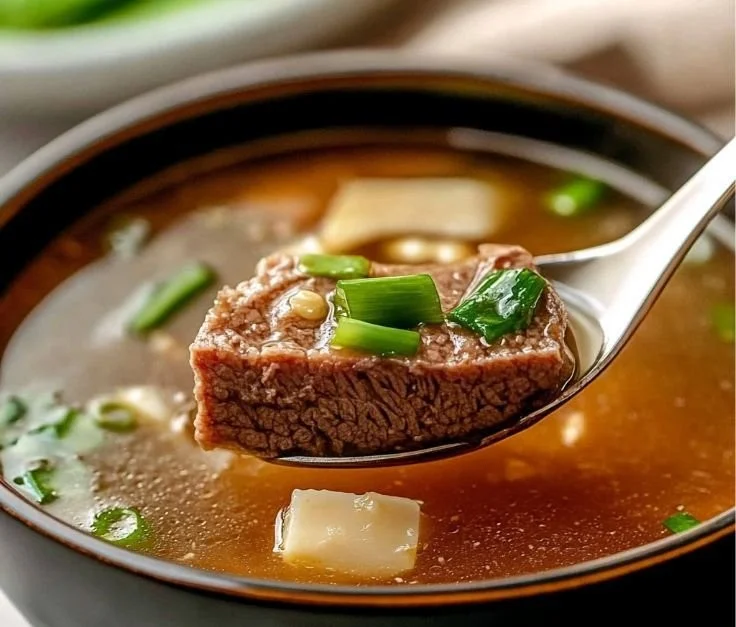
There’s something almost magical about the first spoonful of a steaming bowl of Korean winter soup: the long, slow-simmered aroma of beef and ginger fills the kitchen, the clear broth glides across your tongue with a gentle savory sweetness, and tender short rib meat flakes apart into silky ribbons. Texturally, the radish gives a delicate bite; the garlic and soy deepen the savor; a fresh ribbon of green onion on top adds bright, herbal contrast. This is the kind of soup that warms your hands and slows your breath — perfect for foggy mornings, snowy evenings, or anytime you need a restorative, communal bowl.
If you’re looking for a cozy beverage pairing, try a creamy companion like this boba milk tea recipe to turn the meal into a comforting ritual.
Dish Snapshot
- Prep Time: 15 minutes (mostly hands-off)
- Cook Time: ~90 minutes simmer + 10 minutes final simmer
- Total Time: ~1 hour 45 minutes
- Servings: 4 generous bowls
- Difficulty Level: Easy–Intermediate (mostly patient simmering; minimal active effort)
Nutrition Highlights
Nutrition per serving (approximate, recipe yields 4 servings):
- Calories: ~520 kcal
- Protein: ~29 g
- Total Fat: ~41 g
- Total Carbohydrates: ~5 g
- Dietary Fiber: ~1 g
- Sodium: ~700–900 mg (highly variable depending on added salt and soy sauce)
Notes on accuracy and sources:
- These estimates are based primarily on nutrient data for beef short ribs and standard values for vegetables and seasonings from USDA FoodData Central and rounded for clarity. Because short ribs are high in fat, most calories come from fat; adjusting the trim or using leaner cuts will change totals. For general sodium guidance, refer to the CDC recommendation to limit sodium intake to under 2,300 mg/day. For precise nutritional tracking, use a kitchen scale and a trusted nutrition calculator and consult USDA FoodData Central where needed.
Why You’ll Love It
What makes this Korean winter soup irresistible is the combination of slow-simmered depth and simplicity. The aroma — beef, ginger, onion — evokes home and tradition; the texture — silky broth, tender meat, and crisp radish — keeps every spoonful interesting. It’s ideal for:
- Family gatherings or when you want to share a bowl with people you love.
- Recuperative meals after a cold day; the ginger and warm broth feel restorative.
- Make-ahead dinners: the flavors mellow and deepen after a day, so leftovers often taste even better.
- Those who want a relatively simple, low-carb bowl that’s satisfying and rich without heavy cream or complex techniques.
How to Make Tasty Korean Winter Soup Recipe
Ingredients:
- 1.5 lbs beef short ribs (approximately 680 g)
- 10 cups water
- 1 whole yellow onion (leave skin on for color and depth)
- 2 green onions OR 1 Korean leek (use whole, including roots if clean)
- 2 thick slices fresh ginger (about 1/4–1/3 inch each)
- 1/2 medium Korean radish or daikon (about 8–10 oz / ~225–280 g), peeled and sliced into 1/4-inch half-moons
- 2 tablespoons chopped garlic (about 2 cloves or ~18 g)
- 1 tablespoon soy sauce
- Sea salt, to taste
Optional ingredients and substitutions:
- Use beef short ribs with less visible fat or substitute 1.5 lbs beef chuck bones for a leaner broth.
- Add 1–2 dried shiitake mushrooms for umami.
- Substitute tamari for soy sauce to make it gluten-free.
- For a spicier version, add a teaspoon gochugaru (Korean red pepper flakes) or a tablespoon gochujang dissolved in a bit of broth at the end.
Step-by-step directions:
- Rinse the beef short ribs thoroughly under cold running water to remove bone fragments and surface blood. Drain.
- In a large stockpot, add the rinsed beef and 10 cups of cold water.
- Add the whole yellow onion (with skin intact for color), the green onions or leek (including roots if used and clean), and the thick ginger slices to the pot.
- Bring to a boil over medium-high heat. As it reaches a rolling boil, reduce heat to low to maintain a gentle simmer.
- Simmer uncovered for about 90 minutes. During this time, skim off any foam or excess fat that rises to the surface every 10–15 minutes to keep a clear broth.
- After simmering, remove the meat and set aside. Strain the broth through a fine-mesh sieve or cheesecloth into a clean pot if you prefer an extra-clear broth (this step is optional).
- Return the clear broth to the pot. Add the radish slices, chopped garlic, soy sauce, and season with sea salt to taste.
- Shred or chop the cooked beef into bite-size pieces and add the meat back to the pot.
- Simmer gently for an additional 10 minutes on low heat so the radish becomes tender but still has some bite.
- Serve hot in bowls, topped with thinly sliced green onions or leek.
Practical tips:
- Skimming is key to a clear, elegant broth — don’t skip it.
- If the broth tastes flat, a small splash of soy sauce or a pinch of sea salt will round flavors; taste before adding more.
- Check radish doneness by piercing with a fork; it should be tender but not mushy (about 8–10 minutes after added).
- If you plan to refrigerate, cool the soup quickly by placing the pot in an ice bath before transferring to containers.
Serving Suggestions
- Classic: Serve the soup hot with a bowl of steaming short-grain rice and kimchi on the side; the fermented sharpness of kimchi contrasts beautifully with the savory broth.
- Hearty: Add boiled eggs or soft tofu cubes to turn it into a more substantial main dish.
- Light: Serve with a side of lightly blanched spinach dressed in sesame oil and garlic.
- Beverage pairing: For a sweet, contrasting treat after your meal, try a creamy bubble tea or small sweet rice cake; for a no-nonsense sip alongside the soup, green or barley tea is traditional.
- If you want a meatier set of sides or are thinking about using other proteins, see this curated list of 30 delicious ground beef recipes for inspiration.
How to Store
- Room temperature: Do not leave soup at room temperature for more than 2 hours (per USDA food safety guidelines) — bacteria grows quickly in the “danger zone.”
- Refrigeration: Store cooled soup in airtight containers in the refrigerator for up to 3–4 days.
- Freezer: For longer storage, freeze in labeled airtight containers or heavy-duty freezer bags for up to 3 months. Thaw overnight in the refrigerator before reheating.
- Reheating: Reheat gently on the stovetop over low–medium heat until steaming. Avoid repeated reheating cycles.
Pro Tips & Tricks
- Best beef choice: Short ribs give rich fat and gelatin for mouthfeel; for less fat, trim excess fat or use a mix of short ribs and beef chuck bones.
- Clarity trick: Add a small egg-white raft early in simmering to collect impurities if you want an impeccably clear broth.
- Texture cues: When the meat easily separates from the bone and a fork slides through the radish, it’s done; avoid extended high heat which can toughen meat.
- Umami boost: If you want deeper savory notes without extra salt, add one or two rehydrated dried shiitake caps during simmering and remove before serving.
- Salt slowly: Because the broth reduces slightly during cooking, season cautiously near the end.
Recipe Variations
- Vegan/Vegetarian version:
- Replace beef with a mix of shiitake mushrooms, kombu (kelp), and firm tofu. Simmer kombu and mushrooms in water for 45–60 minutes for a rich vegetable dashi base; add tofu and radish near the end.
- Lighter, leaner soup:
- Use beef chuck bones with most fat trimmed, and skim thoroughly. Reduce short ribs to 1 lb and add 6–8 oz of trimmed beef shank for flavor with less fat.
- Spicy twist:
- Stir in 1 tablespoon gochujang diluted in a little broth or 1–2 teaspoons gochugaru to each bowl for a warming, peppery lift.
- Herbal boost:
- Add Asian pear slices or a few slices of jujube (Korean dates) while simmering for a subtle natural sweetness and complexity.
Common Questions & Answers
Q: Can I make this in a slow cooker?
A: Yes. After blanching and rinsing the ribs, add all ingredients to the slow cooker, cover with water, and cook on Low for 6–8 hours. Add radish and garlic in the last 45 minutes.
Q: How can I reduce the fat on top of the soup?
A: Refrigerate the soup first; the fat will solidify on top and can be lifted off easily. Or use a ladle to skim, or a fat separator when strained.
Q: Is there a gluten-free option?
A: Use gluten-free tamari instead of soy sauce and ensure any added condiments (like gochujang) are gluten-free.
Q: Can I use other proteins like chicken?
A: Yes — bone-in chicken thighs will make a lighter, faster broth; reduce simmer time to 45–60 minutes.
Q: How do I prevent the broth from becoming too salty?
A: Start with a small amount of soy sauce and wait until the end to adjust salt; remember that the meat and any added condiments contribute sodium as well.
Conclusion
Warm, simple, and steeped in comforting flavor, this Korean winter soup is a beautiful example of how a few humble ingredients and patient simmering can yield something deeply nourishing. Try it on a chilly evening, share it with family, and tweak the variations to make it your own. For more seasonal inspiration, check the helpful roundup of Kimchimari’s Korean soup roundup, and if you’re curious about quicker spicy noodle options to pair with or alternate for busy nights, see this 15-minute spicy Korean noodle soup idea from RecipeTin Eats.
If you make this recipe, please share your photos and adjustments — I love hearing how readers personalize it.
Print
Tasty Korean Winter Soup
- Total Time: 115
- Yield: 4 servings 1x
- Diet: Gluten-Free Option Available
Description
A rich and comforting Korean winter soup featuring tender beef short ribs, ginger, and radish, simmered to perfection for a restorative meal.
Ingredients
- 1.5 lbs beef short ribs (approximately 680 g)
- 10 cups water
- 1 whole yellow onion (leave skin on)
- 2 green onions or 1 Korean leek (use whole)
- 2 thick slices fresh ginger (about 1/4–1/3 inch each)
- 1/2 medium Korean radish or daikon (about 8–10 oz / ~225–280 g), peeled and sliced into 1/4-inch half-moons
- 2 tablespoons chopped garlic (about 2 cloves or ~18 g)
- 1 tablespoon soy sauce
- Sea salt, to taste
Instructions
- Rinse the beef short ribs thoroughly under cold running water to remove bone fragments and surface blood. Drain.
- In a large stockpot, add the rinsed beef and 10 cups of cold water.
- Add the whole yellow onion, the green onions or leek, and the thick ginger slices to the pot.
- Bring to a boil over medium-high heat. As it reaches a rolling boil, reduce heat to low to maintain a gentle simmer.
- Simmer uncovered for about 90 minutes, skimming off any foam or excess fat that rises to the surface.
- After simmering, remove the meat and set aside. Strain the broth if desired.
- Return the clear broth to the pot. Add the radish slices, chopped garlic, soy sauce, and season with sea salt to taste.
- Shred or chop the cooked beef into bite-size pieces and add it back to the pot.
- Simmer gently for an additional 10 minutes on low heat.
- Serve hot in bowls, topped with thinly sliced green onions or leek.
Notes
Skimming is key for a clear broth. Adjust seasonings cautiously near the end of cooking.
- Prep Time: 15
- Cook Time: 100
- Category: Soup
- Method: Simmering
- Cuisine: Korean
Nutrition
- Serving Size: 1 bowl
- Calories: 520
- Sugar: 1g
- Sodium: 800mg
- Fat: 41g
- Saturated Fat: 15g
- Unsaturated Fat: 20g
- Trans Fat: 0g
- Carbohydrates: 5g
- Fiber: 1g
- Protein: 29g
- Cholesterol: 90mg