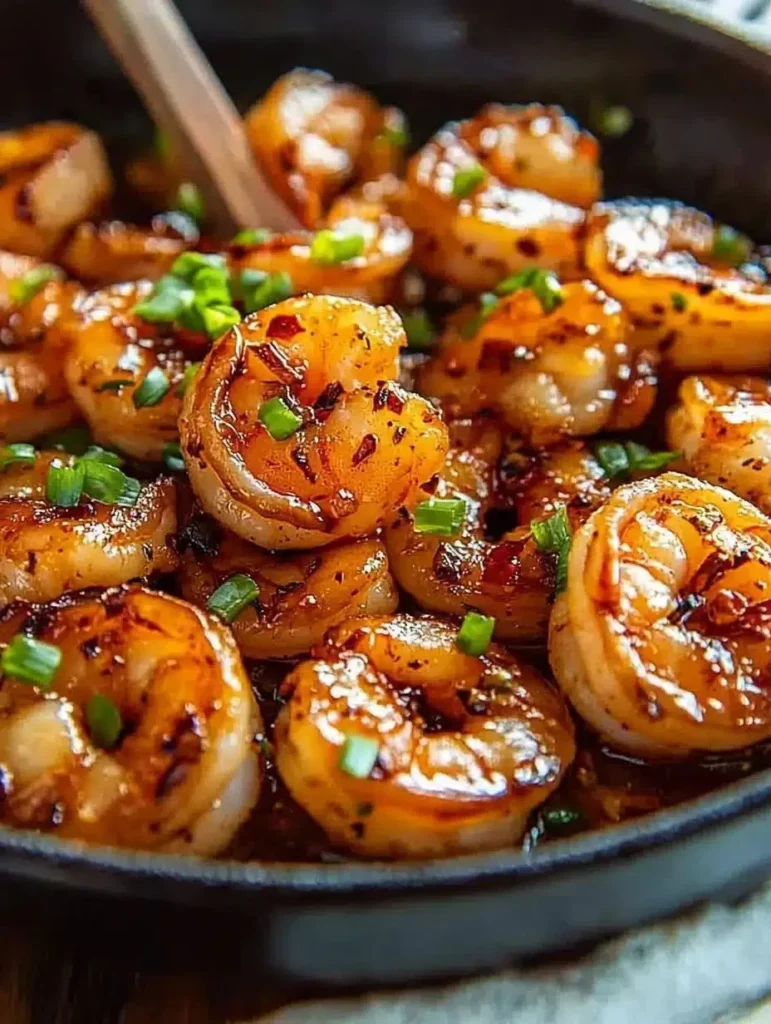
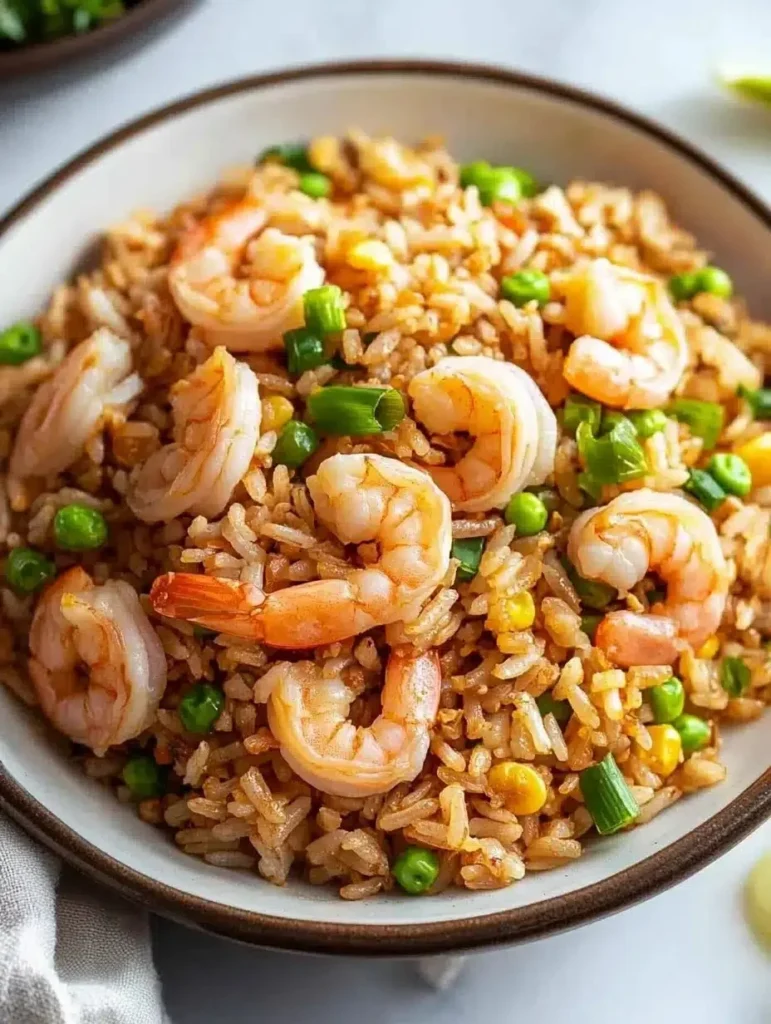
Shrimp Fried Rice: An Incredible Ultimate Recipe for Any Occasion
Introduction The first time this shrimp fried rice hit the pan in my kitchen, the aroma stopped me mid-step: warm sesame notes, a whisper of ginger, and the savory umami of soy that made the whole room feel like a cozy takeout haven. The shrimp seared to tender pink, the rice grains separated and glossy, and little pops of sweet peas and carrots brightened each forkful. Texturally, it’s a delightful contrast—silky eggs, snappy shrimp, and rice that’s just dry enough to get a gentle chew without clumping.
This is the kind of recipe that makes weekday dinners feel special and weekend gatherings feel effortless. It’s perfect for quick meals when you need something ready in 30 minutes, for using up leftover rice, or as an impressive-but-not-fussy dish to serve friends. If you enjoy switching between bold Southern comfort and light seafood plates, pair this with a hearty dish like my shrimp-and-grits variation for a full meal experience: shrimp-and-grits amazing ultimate recipe tonight.
Dish Snapshot
- Prep Time: 10 minutes
- Cook Time: 10–12 minutes
- Total Time: 20–22 minutes
- Servings: 4
- Difficulty Level: Easy — great for cooks of all levels
Nutrition Highlights Per serving (recipe yields 4 servings). These values are estimates calculated using standard values from USDA FoodData Central and cross-checked with nutrition guidance from Mayo Clinic and CDC recommendations. Actual values will vary by exact brands and portioning.
- Calories: ~345 kcal
- Protein: ~33 g
- Carbohydrates: ~27 g
- Fat: ~10 g
- Fiber: ~2–3 g
- Sodium: ~700–900 mg (varies widely based on soy sauce/oyster sauce amount and whether low-sodium versions are used)
- Cholesterol: ~160 mg (from eggs and shrimp)
Notes: Shrimp and eggs provide a lean, high-quality protein punch, while rice supplies steady carbohydrates for energy. Sodium can be the biggest concern here due to soy sauce—consider low-sodium soy sauce or reducing the amount if you’re watching intake (CDC recommends limiting sodium to less than 2,300 mg/day for most adults).
Why You’ll Love It This shrimp fried rice checks so many boxes: irresistible aroma and savory depth from soy and oyster sauce, quick prep that’s perfect on busy nights, and a universal crowd-pleaser feel for potlucks or family dinners. It’s also a nostalgic, social dish—fried rice evokes memories of communal bowls and takeout nights, while being genuinely healthier and fresher when you make it at home. The recipe’s flexibility means you can scale it up for guests, tone it down for weeknight comfort, or make it gluten-free or lower-sodium with simple swaps.
Step-by-Step Instructions Ingredients:
- 2 cups cooked jasmine rice (preferably day-old)
- 1 lb shrimp, peeled and deveined
- 2 tablespoons vegetable oil
- 1 cup peas and carrots (frozen or fresh)
- 3 green onions, chopped
- 3 cloves garlic, minced
- 1 tablespoon fresh ginger, minced
- 3 tablespoons soy sauce
- 1 tablespoon oyster sauce (optional)
- 2 eggs, lightly beaten
- Salt and pepper to taste
- Sesame oil (for drizzling, optional)
Optional ingredients and substitutions:
- Use low-sodium soy sauce to reduce salt.
- Swap jasmine rice for brown rice (adds fiber) — note longer cook time if starting from uncooked rice.
- Substitute tamari for soy sauce to make this gluten-free.
- Add 1/2 cup finely diced bell pepper or bean sprouts for extra crunch.
- For a richer flavor, finish with 1 teaspoon toasted sesame oil.
Directions:
- Prep all ingredients: chop green onions, mince garlic and ginger, and pat shrimp dry. If rice is freshly cooked, spread it on a tray to cool and dry slightly.
- Heat a large skillet or wok over high heat. Add 1 tablespoon of vegetable oil and swirl to coat.
- Add shrimp in a single layer; season lightly with salt and pepper. Cook 1–2 minutes per side until pink and just cooked through. Remove shrimp to a plate.
- Add the remaining 1 tablespoon oil to the hot pan. Sauté garlic and ginger for 20–30 seconds until fragrant (don’t burn).
- Add peas and carrots and cook 2–3 minutes until warmed and slightly tender.
- Push vegetables to one side of the pan. Pour beaten eggs into the open side and scramble quickly until just set.
- Add the cooked rice to the pan, breaking up any clumps. Stir everything together, tossing to combine.
- Return shrimp to the pan. Pour in soy sauce and oyster sauce (if using). Stir-fry 1–2 minutes until sauces evenly coat the rice and shrimp are heated through.
- Stir in chopped green onions. Taste and adjust seasoning; add more soy sauce or a pinch of salt if needed.
- Remove from heat and drizzle with a little sesame oil if desired. Serve immediately.
Practical tips:
- Use day-old rice or cool freshly made rice in a thin layer so it dries a bit; this prevents mushiness.
- Cook over high heat and keep the food moving for the classic fried rice “wok hei” effect.
- Don’t overcrowd the pan; work in batches if necessary.
- Avoid overmixing eggs with rice—scramble them separately in the pan first for better texture.
- Check shrimp doneness by color and firmness: they’ll be opaque and springy when cooked.
Best Pairings
- Classic: Serve with a simple side of steamed broccoli or bok choy dressed with sesame and a squeeze of lemon.
- For a heartier meal: pair with an Asian-style slaw or a bowl of miso soup.
- Casual: offer lime wedges and chili oil on the side so guests can customize heat and acidity.
- Beverage: jasmine tea, a crisp lager, or a refreshing citrusy white wine complement the dish beautifully.
- Lighter option: top with extra scallions and a side salad to make it feel brighter and fresher.
Keeping it Fresh
- Room temperature: Do not leave cooked shrimp fried rice at room temperature for more than 2 hours (1 hour if ambient temperature is above 90°F/32°C) — follow food safety guidelines.
- Refrigeration: Store in an airtight container for up to 3–4 days.
- Freezer: Freeze in a freezer-safe container for up to 2 months. Thaw overnight in the refrigerator and reheat in a skillet for best texture.
- Reheating: Reheat in a hot skillet with a teaspoon of oil or a splash of water to add moisture, stirring until heated through. Microwave is acceptable but may soften the rice.
Chef’s Advice
- Rice choice: Day-old jasmine rice is ideal for texture and aroma; the slight drying prevents clumping. If using freshly cooked rice, cool and spread it on a tray for 30–60 minutes first.
- Heat control: Preheat your wok/skillet until very hot before adding oil—this gives the rice a pleasant sear without sticking.
- Shrimp doneness cue: Shrimp should curl into a “C” shape and be opaque throughout. If they curl tightly into an “O”, they’re likely overcooked.
- Layer flavors: Sear shrimp separately for best texture, then finish together so flavors meld without overcooking proteins.
- Make it ahead: Cook components (rice, sautéed veg, cooked shrimp) separately and assemble/fry quickly when ready to eat for freshest results.
Creative Twists
- Vegan version: Omit shrimp and eggs. Use cubed firm tofu (pressed and pan-seared) or tempeh crumbles, and replace oyster sauce with mushroom-flavored soy or vegetarian oyster sauce. Add a touch of nutritional yeast for savory depth.
- Spicy Thai basil twist: Stir in a handful of fresh Thai basil and 1–2 chopped red chilies at the end for a bright, peppery finish (swap oyster sauce for fish sauce if not vegetarian).
- Pineapple shrimp fried rice: Add 1 cup diced pineapple and a handful of cashews for a sweet-savory tropical variation.
- Low-carb swap: Replace rice with riced cauliflower (use fresh or frozen) and reduce cook time to retain some crunch; increase shrimp or add more vegetables to keep it satisfying.
Common Questions & Answers Q: Can I use fresh-cooked rice instead of day-old rice? A: Yes—cool it on a tray so it dries slightly before frying. Day-old rice works best to avoid clumping.
Q: How can I reduce the sodium? A: Use low-sodium soy sauce, omit oyster sauce or use a low-sodium alternative, and taste as you go.
Q: My rice turned mushy—what went wrong? A: Likely too much moisture or overcrowding. Use day-old rice, cook over higher heat, and avoid adding wet ingredients early.
Q: Can I substitute other proteins? A: Absolutely—chicken, pork, tofu, or leftover roasted vegetables all work well.
Q: How do I keep the shrimp from overcooking? A: Cook shrimp separately and return them to the pan only at the end to warm through; watch for opaque color and a gentle springy texture.
Conclusion
This shrimp fried rice is a weeknight hero: fast, flavorful, and endlessly adaptable. Try it as written, experiment with the creative variations, and share your favorite twists with friends or in the comments—home cooking is better when we learn from each other. For a gluten-free basil-forward take, see a lovely variation at Gluten-Free Mollie D’s Thai basil shrimp fried rice, and if you want extra technique inspiration for perfect fried rice, check out tips at Gimme Some Oven’s favorite fried rice recipe.
Print
Shrimp Fried Rice
- Total Time: 22 minutes
- Yield: 4 servings 1x
- Diet: Pescatarian
Description
A quick and flavorful shrimp fried rice recipe perfect for any weeknight or gathering, featuring tender shrimp, vibrant vegetables, and fragrant jasmine rice.
Ingredients
- 2 cups cooked jasmine rice (preferably day-old)
- 1 lb shrimp, peeled and deveined
- 2 tablespoons vegetable oil
- 1 cup peas and carrots (frozen or fresh)
- 3 green onions, chopped
- 3 cloves garlic, minced
- 1 tablespoon fresh ginger, minced
- 3 tablespoons soy sauce
- 1 tablespoon oyster sauce (optional)
- 2 eggs, lightly beaten
- Salt and pepper to taste
- Sesame oil (for drizzling, optional)
Instructions
- Prep all ingredients: chop green onions, mince garlic and ginger, and pat shrimp dry. If rice is freshly cooked, spread it on a tray to cool and dry slightly.
- Heat a large skillet or wok over high heat. Add 1 tablespoon of vegetable oil and swirl to coat.
- Add shrimp in a single layer; season lightly with salt and pepper. Cook 1–2 minutes per side until pink and just cooked through. Remove shrimp to a plate.
- Add the remaining 1 tablespoon oil to the hot pan. Sauté garlic and ginger for 20–30 seconds until fragrant (don’t burn).
- Add peas and carrots and cook 2–3 minutes until warmed and slightly tender.
- Push vegetables to one side of the pan. Pour beaten eggs into the open side and scramble quickly until just set.
- Add the cooked rice to the pan, breaking up any clumps. Stir everything together, tossing to combine.
- Return shrimp to the pan. Pour in soy sauce and oyster sauce (if using). Stir-fry 1–2 minutes until sauces evenly coat the rice and shrimp are heated through.
- Stir in chopped green onions. Taste and adjust seasoning; add more soy sauce or a pinch of salt if needed.
- Remove from heat and drizzle with a little sesame oil if desired. Serve immediately.
Notes
For a healthier version, use low-sodium soy sauce, and consider adding additional vegetables like bell pepper or bean sprouts. Avoid overcrowding the pan for best texture.
- Prep Time: 10 minutes
- Cook Time: 12 minutes
- Category: Main Course
- Method: Stir-Frying
- Cuisine: Asian
Nutrition
- Serving Size: 1 serving
- Calories: 345
- Sugar: 3g
- Sodium: 800mg
- Fat: 10g
- Saturated Fat: 1g
- Unsaturated Fat: 8g
- Trans Fat: 0g
- Carbohydrates: 27g
- Fiber: 3g
- Protein: 33g
- Cholesterol: 160mg