Homemade Digestive Biscuits
Introduction
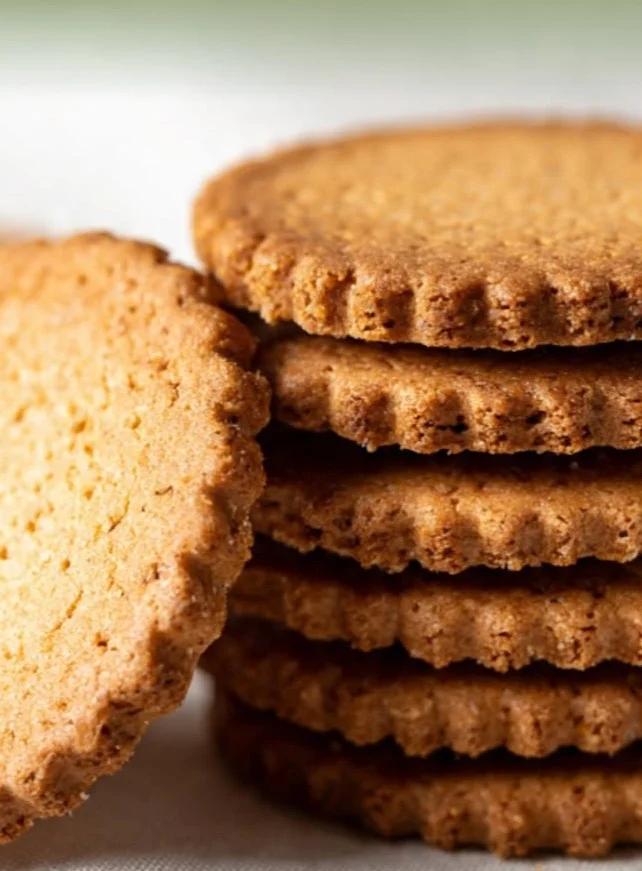
There’s something impossibly comforting about the warm, earthy smell of freshly baked digestive biscuits—malted, wheaty, lightly sweet, with a tender crumb that gives way to a gentle, sandy crunch. Picture breaking one in half: the steam rises, a nutty aroma unfurls, and the first bite offers a harmony of whole-grain warmth and buttery richness. These biscuits are quietly nostalgic, the kind you reach for with a mug of tea on a drizzly morning or stack on a platter when friends drop by.
This recipe is perfect for cozy breakfasts, effortless afternoon tea spreads, and as a crowd-pleasing addition to holiday cookie assortments. If you’d like a gluten-free alternative to share with guests who avoid wheat, see these gluten-free biscuit adaptations for helpful conversion ideas.
At a Glance
- Prep Time: 15 minutes
- Cook Time: 12–15 minutes per batch
- Total Time: 30 minutes (including rolling and cooling)
- Servings: about 12 biscuits (depending on cutter size)
- Difficulty Level: Easy — great for beginner bakers
Nutrition Highlights
Estimated nutrition per serving (1 biscuit; recipe makes ~12 biscuits):
- Calories: ~85 kcal
- Protein: ~1.6 g
- Carbohydrates: ~11.8 g
- Fat: ~3.7 g
- Fiber: ~1.0 g
- Sodium: ~50 mg
These values are approximate and calculated from standard nutrient profiles for whole wheat flour, all-purpose flour, unsalted butter, granulated sugar, and whole milk as reported in USDA FoodData Central; they are intended as a reliable estimate rather than a medical assessment. For guidance about daily nutritional targets and fiber recommendations, consult resources such as the Mayo Clinic or government dietary guidelines.
Why You’ll Love It
These digestives are a perfect balance of wholesome and indulgent. The whole wheat gives a warm, nutty backbone that makes them feel nourishing, while the modest sugar and butter keep them snackable and not-too-sweet. They evoke family afternoons and simple hospitality—served on a saucer next to a steaming pot of tea, they invite conversation and calm. They’re quick to prepare, forgiving for novice bakers, and versatile enough to be dressed up with chocolate, sea salt, or citrus zest for seasonal flair.
How to Make Homemade Digestive Biscuits
Ingredients:
- 100 g whole wheat flour
- 50 g all-purpose flour
- 50 g unsalted butter, softened
- 30 g granulated sugar
- 1/2 tsp baking powder
- 1/4 tsp salt
- 2–3 tbsp milk (start with 2 tbsp; add 1 tbsp if needed)
Optional ingredients and substitutions:
- Replace butter with 50 g coconut oil for a dairy-free version (texture slightly crumblier).
- Use plant-based milk (soy, oat, almond) in place of dairy milk.
- Swap 10–15 g of sugar for honey or maple syrup (reduce milk slightly if using liquid sweeteners).
- For a sweeter finish, dip half the cooled biscuits in melted dark chocolate.
- To make them crispier, use 1 tbsp less milk and roll thinner.
Method:
- Preheat your oven to 180°C (350°F). Line a baking sheet with parchment paper.
- In a mixing bowl, combine whole wheat flour, all-purpose flour, sugar, baking powder, and salt. Whisk briefly to evenly distribute.
- Add softened butter and use a pastry cutter or your fingertips to rub it into the flour until the mixture resembles coarse crumbs. Small pea-sized lumps are fine.
- Gradually add 2 tbsp milk, mixing until the dough just comes together; if the dough is still too dry, add the remaining 1 tbsp milk. Do not overwork.
- Turn the dough onto a lightly floured surface and roll out to about 1/4 inch (6 mm) thick. Keep the rolling even for uniform baking.
- Cut into desired shapes with a round cutter or cookie cutter and place on the prepared baking sheet with a little space between each. Prick the tops lightly with a fork for that classic digestive look.
- Bake for 12–15 minutes, until the edges are a light golden brown. Rotate the sheet halfway for even color.
- Let cool on the baking sheet for 5 minutes, then transfer to a wire rack to cool completely before serving.
Practical tips:
- Avoid overmixing after adding milk; overworking develops gluten and makes biscuits tough.
- If your cutter sticks, chill the dough for 10–15 minutes or dust the cutter with flour.
- To check doneness, look for a uniformly pale golden color; underbaked digestives will be soft and won’t crisp as they cool.
Serving Suggestions
Serve It Up
- Classic: Serve plain with strong black tea or coffee—these biscuits are built for dunking.
- With spreads: Offer lightly salted butter, marmalade, or lemon curd for a bright contrast.
- Sweet finish: Dip half of each cooled biscuit in melted dark chocolate and let set for a decadent twist.
- Snackboard: Add to a cheese and fruit board—crisp digestive biscuits pair well with aged cheddar and quince paste.
- Casual pairing: For a hearty snack plate, serve alongside simple baked chicken tenders and a crisp salad; it’s an easy crowd-pleasing combo that balances sweet and savory. For a tested recipe for the tenders, try this homemade baked chicken tenders.
Keeping it Fresh
- Room temperature: Store in an airtight tin or container at room temperature for up to 5 days—keeps best when fully cooled before storing.
- Refrigeration: Not necessary; refrigeration can dry them out. If you prefer chilled biscuits with fillings, store filled sandwiches in the fridge for up to 2 days.
- Freezer: Freeze unbaked dough discs or fully baked biscuits in an airtight bag for up to 2 months. Thaw at room temperature and refresh in a 160°C (325°F) oven for 5 minutes to crisp.
Pro Tips & Tricks
- Flour choices: Using a higher-ratio whole wheat flour adds flavor and fiber but can make dough denser; the 2:1 whole wheat to all-purpose ratio here preserves structure while keeping the wheaty profile.
- Butter temperature: Softened butter (not melted) creates the right crumb—if too warm, the dough gets greasy and hard to roll.
- Texture control: Roll thinner for crunchier biscuits; keep them shorter and slightly thicker for a tender shortbread-like bite.
- Flavor boost: Add a pinch (1/8 tsp) of ground cinnamon or a half-teaspoon of vanilla extract for subtle warmth.
- Even baking: If making multiple batches, rotate baking sheets and swap rack positions to ensure consistent color.
Creative Twists
- Vegan version: Use 50 g solid coconut oil in place of butter and 2–3 tbsp plant milk. Add a teaspoon of molasses for depth.
- Oat-studded digestives: Add 25 g finely ground oats to the dry mix for a heartier texture and extra fiber.
- Citrus-scented: Add 1 tsp finely grated orange zest to the dough; finish dipped biscuits with a light orange glaze.
- Seeded crackers: Press sesame or poppy seeds onto the tops before baking for an attractive, nutty finish.
- Chocolate-sandwich cookies: Spread a thin layer of chocolate ganache between two biscuits for a grown-up treat.
Recipe Q&A
Q: Can I make this dough ahead?
A: Yes—wrap the dough tightly and refrigerate for up to 24 hours, or freeze for up to 1 month. Thaw in the fridge before rolling.
Q: My biscuits are spreading—what went wrong?
A: Likely the butter was too soft or you rolled the dough too thin. Chill the dough for 15–20 minutes before cutting and use slightly less milk.
Q: How do I make them crispier?
A: Roll to a thinner thickness (about 1/8–1/6 inch) and bake until a light golden brown; cooling on a rack helps preserve crispness.
Q: Is there a lower-sugar option?
A: Reduce sugar to 20 g or use a granular sweetener with a 1:1 swap; texture will be similar, but sweetness will be milder.
Q: Can these be made gluten-free?
A: Yes—substitute a 1:1 gluten-free flour blend that includes xanthan gum and increase binding by adding a teaspoon of ground flax mixed with 2 tbsp water if needed. Reference a reliable gluten-free biscuit guide for specifics.
Conclusion
These homemade digestive biscuits are an effortless way to add warmth and comfort to your kitchen repertoire—simple ingredients, friendly technique, and endless variations make them a go-to for weekday treats and special gatherings alike. If you want to compare techniques or explore other bakers’ takes, consider this detailed Bigger Bolder Baking’s homemade digestive biscuit recipe or a chocolate-covered, McVities-inspired version on Serious Eats’ chocolate-covered digestive biscuit guide. I’d love to see your spins—share photos, questions, or your favorite pairings in the comments and let’s build a cozy baking community together.