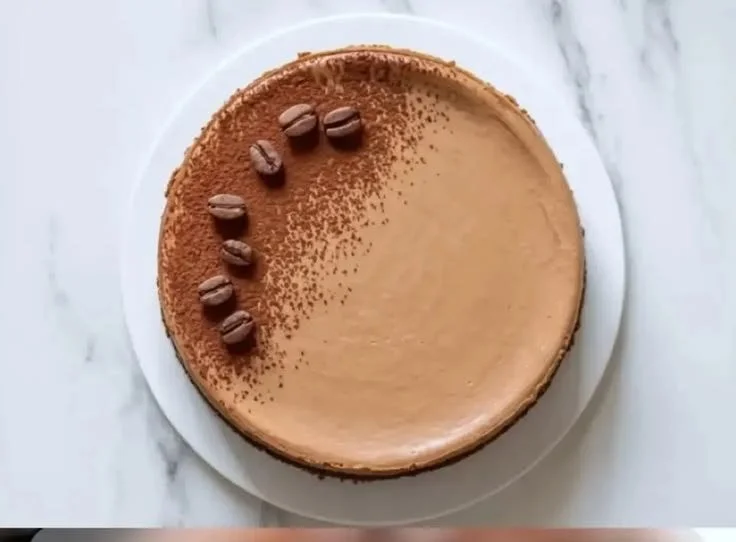
Cappuccino Mousse Coffee Cheesecake
There’s a moment when the steam from a fresh espresso curls into your face and the first spoonful of a silky dessert melts on your tongue — that’s the feeling this Cappuccino Mousse Coffee Cheesecake aims to bottle. Imagine a crisp, buttery graham crust giving way to a cloud-like cream cheese mousse infused with bold espresso, sweet powdered sugar, and a whisper of coffee liqueur; each bite balances bitter, sweet, and velvety textures. The aroma alone — warm roasted coffee and vanilla — can make a kitchen feel like a café at golden hour.
This recipe is perfect for leisurely brunches when you want to pair dessert with morning coffee, for intimate dinner parties where you want an elegant make-ahead showstopper, or for any day you need a comforting, sophisticated treat. If you enjoy exploring other cheesecake styles after trying this, you might like a fruity twist like an apple crisp cheesecake that brings seasonal warmth to the table.
Dish Snapshot
- Prep Time: 20 minutes (plus chilling)
- Cook Time: 10 minutes (crust bake)
- Total Time: About 4 hours 30 minutes (including chilling; longer if using gelatin)
- Servings: 8 slices
- Difficulty Level: Intermediate — simple techniques, but chilling time and gentle folding are key
Nutrition Highlights
The following nutrition estimates are per serving (assuming 8 servings, recipe includes the optional 2 tablespoons coffee liqueur). Values are approximate and provided for guidance only; they were calculated using ingredient nutrient profiles from government nutrition databases (USDA FoodData Central) and rounded to sensible figures.
- Calories: ~580 kcal
- Protein: ~5.5 g
- Carbohydrates: ~36 g
- Sugars: ~23–25 g (mostly from powdered sugar and crust)
- Fat: ~45 g
- Saturated fat: ~26–30 g (cream cheese, heavy cream, butter)
- Fiber: ~1–2 g
- Sodium: variable (depends on salted vs. unsalted butter and cream cheese)
Notes:
- Omitting the coffee liqueur will reduce calories slightly (~10–20 kcal per serving depending on brand).
- For lower-calorie or lower-sugar options, substitute powdered erythritol or a granulated sugar substitute (see variations). The nutrition numbers above are estimates; consult USDA FoodData Central or your nutrition tracking tool for precise tailoring.
Why You’ll Love It
- Flavor & Texture: The interplay of concentrated espresso and sweet cream cheese produces a sophisticated coffee-forward flavor without being overly sweet. The mousse-like filling is airy yet rich — lighter than a classic baked cheesecake but more decadent than a typical no-bake dessert.
- Make-Ahead Ease: Most of the work is assembly and chilling, so you can prepare it the day before entertaining and spend time with guests instead of fussing in the kitchen.
- Social & Comforting: This cheesecake evokes cozy gatherings — it’s an excellent dessert for weekend brunches, holiday coffee hours, or a thoughtful end to an intimate meal.
How to Make Cappuccino Mousse Coffee Cheesecake
Ingredients:
- 2 cups graham cracker crumbs
- 1/2 cup (113 g) unsalted butter, melted
- 2 cups (about 454 g) cream cheese, softened
- 1 cup (about 120 g) powdered sugar (confectioners’ sugar)
- 1 cup (240 ml) heavy cream
- 1 cup brewed espresso, cooled
- 1 teaspoon vanilla extract
- 2 tablespoons coffee liqueur (optional)
- 2 teaspoons gelatin (optional for extra firmness), powdered gelatin
- Chocolate shavings for garnish (optional)
Optional ingredients and substitutions:
- Gluten-free: use gluten-free graham crumbs or almond flour + 1–2 tbsp extra butter.
- Vegan: swap cream cheese and heavy cream for stabilized vegan cream cheese and coconut cream; use a vegan graham-style crust and agar-agar instead of gelatin (see variations).
- Sugar-free: substitute powdered erythritol or monk fruit powdered sweetener 1:1 for powdered sugar.
Directions:
- Preheat the oven to 325°F (160°C).
- Combine graham cracker crumbs and melted butter in a bowl; press the mixture firmly into the bottom of a 9-inch springform pan to form an even crust. Bake for 10 minutes, then allow to cool completely.
- In a large mixing bowl, beat the softened cream cheese and powdered sugar together until smooth and free of lumps. Scrape the sides of the bowl as needed.
- In a separate bowl, whip the heavy cream to stiff peaks. Be careful not to overbeat — stop when peaks hold shape but remain glossy.
- Gently fold the whipped cream into the cream cheese mixture until just combined and airy.
- Stir the cooled espresso, vanilla extract, and coffee liqueur (if using) into the cream-cheese-whipped cream mixture until evenly colored and flavored.
- If using gelatin for extra stability: sprinkle gelatin over 2 tablespoons warm water, let bloom for 1–2 minutes, then heat gently to dissolve (do not boil). Cool briefly and whisk into the mousse mixture quickly and evenly before it sets.
- Pour the mousse mixture over the prepared crust, smooth the top, and refrigerate for at least 4 hours or overnight until fully set.
- Before serving, release the springform rim and top with chocolate shavings or a dusting of cocoa powder.
Practical tips:
- Avoid overmixing the cream cheese once combined with whipped cream — overmixing knocks out air and yields a denser texture.
- Ensure your espresso is fully cooled before adding so it doesn’t melt the whipped cream.
- If you prefer a firmer slice (for cleaner plates), use gelatin or chill overnight.
- For a more pronounced espresso flavor, use a concentrated double shot (about 1/2 cup) or espresso powder dissolved in a little hot water.
(For inspiration on other baked vs. no-bake textures, check out a contrasting style like this classic burnt basque cheesecake.)
Serving Suggestions
- Serve chilled in neat slices with a dusting of cocoa powder or coffee powder and chocolate shavings.
- Pair with an espresso, latte, or a small glass of dessert wine (e.g., Marsala or Vin Santo) for a grown-up finish.
- For brunch, present alongside fresh berries and lightly whipped cream to add brightness.
- Make single-serve presentations in small glasses or parfait cups for casual gatherings; layer crust, mousse, and a drizzle of chocolate or caramel.
- For afternoon coffee break service, plate a modest slice with biscotti or almond cookies on the side.
Keeping it Fresh
- Room temperature: Not recommended — cheesecake with dairy should not sit at room temperature longer than 2 hours (per food safety guidance).
- Refrigeration: Store tightly covered (cake container or wrap) for up to 4–5 days. If you used gelatin, it will keep its texture better toward the end of that window.
- Freezer: Cheesecake can be frozen for up to 2 months. Wrap slices individually in plastic wrap and place in a freezer-safe container. Thaw overnight in the refrigerator before serving.
Pro Tips & Tricks
- Best cream cheese choice: full-fat cream cheese yields the most stable and creamy texture. Lower-fat alternatives often become grainy or too loose.
- Coffee intensity: Use bold, freshly brewed espresso or a strong cold-brew concentrate. Instant espresso powder can be used for a more controlled flavor without extra liquid.
- Whipping cream: Chill your bowl and whisk briefly in the freezer before whipping to reach stiff peaks faster and more reliably.
- Gelatin timing: If using gelatin, dissolve and cool slightly before adding to the mousse. Add it quickly and refrigerate promptly to prevent uneven setting.
- Cutting neat slices: Dip a sharp knife in hot water and wipe dry between cuts for clean edges.
Creative Twists
- Mocha Hazelnut: Fold 1/2 cup finely chopped toasted hazelnuts into the crust and add 2 tablespoons chocolate liqueur or 2 tablespoons melted dark chocolate to the filling for a nutty mocha profile.
- Gluten-Free Almond Crust: Replace graham crumbs with 2 cups almond meal plus 2 tablespoons coconut sugar; bake crust as directed.
- Vegan Coffee Cheesecake: Use full-fat coconut cream (whipped) and a firm vegan cream cheese; replace gelatin with agar-agar (follow package instructions for setting) and use a vegan cookie crust. Sweeten with powdered erythritol for a sugar-free option.
- Salted Caramel Drizzle: Top slices with a spoonful of salted caramel sauce (homemade or store-bought) and flaky sea salt for a sweet-salty contrast.
- Intense Espresso Layer: Create a thin espresso gelée on top by dissolving 1 tsp unflavored gelatin in hot concentrated espresso, cool slightly, pour over set cheesecake and chill until firm for a glossy coffee layer.
Frequently Asked Questions
Q: Can I make this without gelatin?
A: Yes. Omitting gelatin yields a softer, mousse-like texture that holds when chilled but will be more delicate when sliced. Chill overnight for the best set.
Q: How can I reduce sugar without sacrificing texture?
A: Use powdered erythritol or allulose powdered blends 1:1 for confectioners’ sugar replacements. Note that sugar substitutes can alter mouthfeel slightly; test a small batch first.
Q: What if my filling is too runny?
A: Ensure the cream cheese is well chilled before whipping and that you’ve whipped the heavy cream to stiff peaks. If still loose, dissolve a small amount of gelatin and fold in, then chill until set.
Q: Can I prepare this in advance?
A: Absolutely — make it a day ahead and refrigerate. For best texture, chill at least 6 hours or overnight.
Q: How do I get cleaner slices?
A: Chill until firm, then use a hot, dry knife between cuts and wipe it clean each time.
Conclusion
This Cappuccino Mousse Coffee Cheesecake is a celebration of coffee in dessert form: aromatic, indulgent, and surprisingly light in texture. It’s ideal for entertaining or treating yourself on a slow weekend morning — and it rewards a little patience at the chill stage with slices that impress both in flavor and presentation. If you’d like to explore a lower-carb take on a similar idea, see this Low Carb Cappuccino Cheesecake Mousse – Sugar-Free Mom, and for a classic baked variant to compare textures and techniques, this Cappuccino Cheesecake – Overtime Cook is a helpful reference.
If you make this cheesecake, I’d love to hear how it turned out — share a photo or a tip in the comments and join our baking community!