Vanilla Pastry Cream
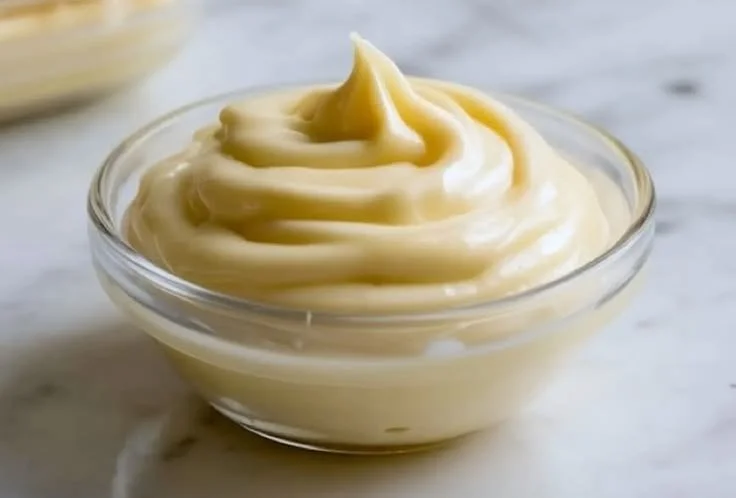
There’s something almost hypnotic about the first spoonful of warm vanilla pastry cream: the air fills with a rich, sweet aroma of vanilla, the texture is silken and luxurious on the tongue, and the flavor lingers—buttery, eggy, and warmly perfumed. This is the kind of comfort food that can stop a hectic morning in its tracks or elevate a simple dessert into something memorable. Make it on a cozy weekend for brunch, tuck it inside éclairs and tarts for dinner guests, or keep a jar in the fridge for last-minute cream pies and trifles.
If you’ve ever loved the cream in a classic French tart or the filling in a blueberry-banana cream pie, this custard will feel instantly familiar and even more irresistible—try pairing it with a fruit tart like my favorite Blueberry Banana Cream Pie for an indulgent finish.
At a Glance
- Prep Time: 10 minutes
- Cook Time: 10 minutes (active stovetop)
- Total Time: 1 hour (includes chilling)
- Servings: 12 (about 1/4 cup per serving)
- Difficulty Level: Easy–Intermediate (basic tempering technique required)
Nutrition Highlights
Estimated nutrition per 1/4-cup serving (based on the full recipe divided into 12 servings). Values are approximate and based on ingredient profiles from USDA FoodData Central; use as a guideline for meal planning.
- Calories: ~190 kcal
- Protein: ~2.6 g
- Carbohydrates: ~18 g (Sugars ~15 g)
- Fat: ~12 g
- Saturated Fat: ~7 g
- Cholesterol: ~90 mg
- Sodium: ~45 mg
- Fiber: 0 g
Note: these are estimated values calculated from standard ingredient data (USDA FoodData Central). If you need precise nutrition for medical reasons, consider using a detailed nutrition calculator and exact brands/measurements.
Why You’ll Love It
- Flavor & Aroma: The gentle warmth of real vanilla makes this cream comforting yet elegant—no artificial shortcuts.
- Texture: Silky, thick, and spoonable—luxurious enough for pastries, smooth enough to layer.
- Versatility: Use it as a filling for éclairs, tarts, cream puffs, cake layers, or simply enjoy by the spoonful.
- Ease: With one saucepan and a whisk, pastry cream comes together quickly—tempering the eggs is the only technical step, and it’s straightforward once you practice.
- Crowd-pleaser: Makes enough to fill several desserts or feed a group, and its familiar flavor appeals across ages.
Step-by-Step Instructions
Ingredients
- 2 cups whole milk
- 1 cup heavy cream
- 3/4 cup granulated sugar
- 1/4 cup cornstarch
- 4 large egg yolks
- 2 teaspoons vanilla extract
- 2 tablespoons unsalted butter
Optional ingredients and substitutions:
- For a lighter version: substitute the heavy cream with an additional cup of whole milk (texture will be slightly thinner).
- For richer flavor: split 1 of the cups of milk with 1/4 cup half-and-half or use 1/2 teaspoon vanilla bean paste instead of extract.
- For a dairy-free option: use unsweetened oat or full-fat soy milk and dairy-free butter alternative; note texture and flavor will differ.
- To reduce sugar: reduce granulated sugar to 1/2 cup and taste, but sugar helps both sweetness and texture/stability.
Directions
- In a medium saucepan, combine milk and heavy cream. Heat over medium until just simmering.
- In a separate bowl, whisk together sugar, cornstarch, and egg yolks until smooth.
- Slowly pour the hot milk mixture into the egg mixture, whisking constantly to temper the eggs.
- Pour the mixture back into the saucepan and cook over medium heat, whisking constantly, until it thickens.
- Remove from heat and stir in vanilla extract and butter.
- Allow it to cool to room temperature, then cover with plastic wrap directly on the surface to prevent a skin from forming. Refrigerate until ready to use.
Practical tips:
- Whisk constantly when cooking after combining—stopping can cause lumps or scorching.
- When tempering eggs, add the hot milk in a slow stream while whisking vigorously to avoid curdling.
- Don’t cook over too-high heat; the mixture should thicken steadily—when it coats the back of a spoon and a clean line drawn with your finger holds, it’s done.
- If lumps appear, immediately strain the cream through a fine-mesh sieve while hot to smooth it out.
- For extra smoothness, press the cooled cream through a sieve before placing plastic wrap.
Serving Suggestions
- Classic: Spoon or pipe into tart shells or choux pastries (éclairs, cream puffs).
- Layered desserts: Use between cake layers or in trifles with berries and sponge cake.
- Simple pleasure: Spread on warm pancakes or crepes in place of syrup.
- Breakfast touch: Serve a dollop beside coffee or tea-timed pastries.
- Savory contrast: For an adventurous pairing, serve a small bowl alongside citrusy seafood dishes to add creaminess—try it with a bright, lemony main such as baked cod with coconut-lemon cream sauce for a playful contrast (use sparingly).
Presentation tips: - Pipe with a star tip for decorative tarts.
- Garnish with fresh berries, toasted nuts, or a dusting of cocoa or cinnamon.
- For a glossy finish, lightly brush tart edges with warmed apricot jam before piping the cream.
Shelf Life & Storage
- Room temperature: Do not leave pastry cream at room temperature for more than 2 hours (follows USDA guidance for perishable foods).
- Refrigeration: Store in an airtight container for up to 3–4 days. Keep plastic wrap pressed directly on the surface to prevent skin.
- Freezer: You can freeze pastry cream, but texture may change (separation or graininess). Freeze in an airtight container for up to 1 month. Thaw overnight in the refrigerator and whisk briskly before using to recombine.
Pro Tips & Tricks
- Use whole milk and heavy cream for the best mouthfeel—lower-fat milks thin the cream significantly.
- Cornstarch ratio matters: too little and the cream won’t set; too much and it tastes starchy. Follow the recipe precisely.
- Cook until the mixture reaches thick custard consistency (coats spoon/back of a spatula). If you have an instant-read thermometer, aim for about 180–185°F (82–85°C) while whisking to safely thicken and pasteurize eggs.
- Flavor layering: add a strip of lemon zest while heating the milk for a citrus undertone; remove zest before tempering.
- For ultra-smooth pastry cream, after cooking strain through a fine sieve while still hot and press gently to remove any cooked egg bits.
Creative Twists
- Chocolate Pastry Cream: Whisk in 3–4 ounces of finely chopped dark chocolate or 1/3 cup Dutch-process cocoa dissolved in a little hot cream, fold until smooth.
- Coffee-Flavored: Dissolve 1–2 teaspoons instant espresso in the heated milk for a coffee pastry cream—great in horn-shaped pastries.
- Citrus & Mascarpone Swirl: Fold 1/2 cup mascarpone and 1 tablespoon lemon zest into cooled pastry cream for a brighter, silkier filling.
- Vegan Alternative: Use full-fat coconut milk (2 cups) + 1 cup canned coconut cream, replace yolks with 3 tablespoons cornstarch + 1 tablespoon arrowroot, and use vegan butter; texture will be different but delicious in its own right.
- Boozy Upgrade: Stir in 1–2 tablespoons of rum, brandy, or orange liqueur after removing from heat for an adult twist (reduce liquid slightly if adding).
Frequently Asked Questions
Q: My pastry cream is lumpy—what went wrong?
A: Lumps usually come from cooked egg bits or rushed tempering. Immediately strain hot cream through a fine-mesh sieve and whisk to smooth; next time temper eggs more slowly and whisk constantly.
Q: Can I use whole eggs instead of yolks?
A: Yolks give richness and thickness. Using whole eggs will produce a thinner, less silky cream; you’d need to increase cornstarch slightly to compensate.
Q: Is it safe to eat pastry cream with eggs?
A: Yes—eggs are cooked during the stovetop step. For extra safety, heat the cooked custard to about 180°F (82°C) to pasteurize.
Q: Can pastry cream be frozen?
A: Yes, up to 1 month in an airtight container, but texture may change. Thaw overnight in the refrigerator and whisk to recombine.
Q: How do I fix a pastry cream that’s too thin?
A: Return it to low heat, whisk in a slurry of 1 teaspoon cornstarch mixed with 1 tablespoon cold milk, and cook until it thickens; strain to ensure smoothness.
Conclusion
Vanilla pastry cream is one of those deceptively simple recipes that rewards patience and attention: a little tempering here, a steady whisk there, and you’ll have a versatile custard that transforms ordinary desserts into something special. Try it in tarts, puffs, or layered cakes—and please share your results and custom variations with the community; I love hearing how readers make recipes their own. For a detailed, tested reference, I recommend this excellent, instructional version at Homemade Vanilla Pastry Cream (Crème Pâtissière), and for another baker’s take with helpful photos, see Vanilla Pastry Cream (Crème Pâtissière).