Coconut Milk Frosting
Introduction
The moment you whip chilled coconut cream into a fluffy frosting, the kitchen fills with a gentle, tropical aroma — sweet coconut, warm vanilla, a hint of sea salt. The texture is pillowy and light, with whispers of richness that melt on the tongue. One spoonful delivers a creamy silkiness that’s both indulgent and unexpectedly clean on the palate.
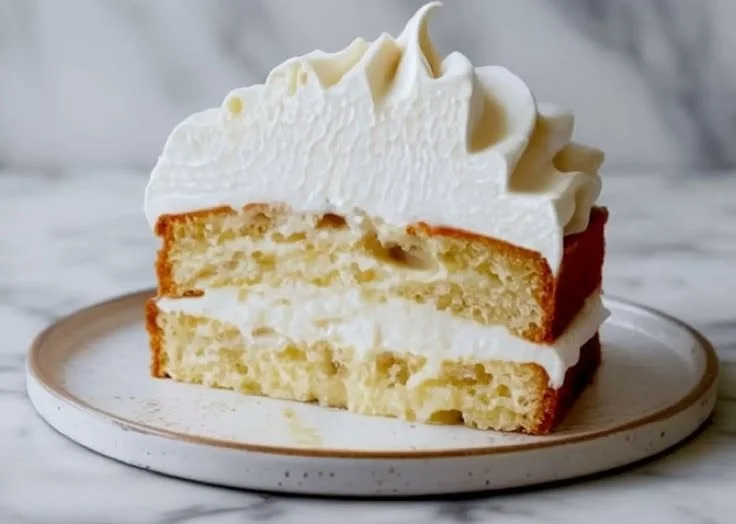
This coconut milk frosting is the kind of small, joyful thing that brightens mornings and elevates gatherings: spread it on warm muffins for a cozy breakfast, pipe it atop cupcakes at a birthday, or use it as a lighter finish for holiday cakes when you want something dairy-free but very celebratory. If you love coconut-forward desserts, try this coconut milk cheesecake bars recipe too — it pairs beautifully with the same tropical notes and shows how versatile coconut cream can be.
At a Glance
- Prep Time: 10 minutes (plus chilling time)
- Cook Time: 0 minutes
- Total Time: 10 minutes active (plus 8–12 hours chilling)
- Servings: Makes enough frosting for about 12 cupcakes (roughly 12 servings)
- Difficulty Level: Easy
Nutritional Breakdown
Per serving (approximate, based on 12 servings). Nutrient values were estimated using USDA FoodData Central data for canned full-fat coconut milk and standard values for powdered sugar; these are approximate and intended for guidance only.
- Calories: ~82 kcal
- Protein: ~0.8 g
- Carbohydrates: ~3.4 g
- Sugars: ~1.8 g
- Total Fat: ~8.0 g
- Saturated Fat: ~7.0 g
- Sodium: ~30 mg
Notes on the numbers: full-fat canned coconut milk contributes most of the calories and saturated fat; powdered sugar contributes the bulk of the simple carbohydrates. For general dietary guidance on saturated fat and heart health, reputable sources such as the USDA and CDC provide context on recommended limits and how coconut-based fats fit into an overall diet.
Why You’ll Love It
This frosting is a beautiful balance of nostalgia and novelty. It delivers:
- Irresistible flavor and aroma: pronounced coconut notes softened with vanilla and a whisper of salt.
- Texture that surprises: silky, pipeable, and light — not greasy — when made correctly.
- Emotional appeal: it evokes beachy vacations and cozy family breakfasts at once.
- Practical advantages: dairy-free and easy to make with just pantry basics, so it’s great for vegan guests or anyone avoiding dairy.
- Seasonal versatility: light enough for spring and summer desserts, but rich and comforting for holidays when paired with warm spices.
How to Make Coconut Milk Frosting
Ingredients
- 1 can (13.5–14 oz / ~400 ml) full-fat coconut milk, chilled overnight
- 2 tablespoons powdered sugar (confectioners’ sugar), adjust to taste
- 1 teaspoon vanilla extract
- 1/4 teaspoon fine salt
Optional ingredients and substitutions:
- 1–2 tablespoons maple syrup or agave (for alternate sweetener; reduce powdered sugar accordingly)
- 1–2 tablespoons unsweetened cocoa powder (for chocolate coconut frosting)
- 1/2 teaspoon lemon or lime zest (for a bright citrus twist)
- 1/2 teaspoon xanthan gum or 1 teaspoon cornstarch (as a stabilizer if piping is needed over longer periods)
- Use light coconut milk for a less rich, lower-fat frosting (texture will be thinner)
Step-by-step Instructions
- Chill a can of full-fat coconut milk in the fridge overnight. This allows the cream to separate and solidify at the top of the can.
- Open the can carefully and scoop out the solidified coconut cream into a mixing bowl, discarding the thin coconut liquid (reserve for smoothies if desired).
- Add powdered sugar, vanilla extract, and salt to the bowl.
- Using an electric mixer, whip the coconut cream on high speed until it becomes fluffy and smooth, about 2–3 minutes. Scrape down the sides as needed.
- Taste and adjust sweetness or vanilla. Use immediately as a frosting or refrigerate for later use. It can be piped onto cakes or cupcakes.
Practical tips:
- Avoid overmixing: whipping too long can break the emulsion and make the cream grainy. Stop once glossy peaks form.
- If the cream looks too loose, chill the bowl for 10–15 minutes and then re-whip briefly.
- For piping, a small amount of xanthan gum or cornstarch can help stabilize the texture for longer display times.
Best Pairings
- Classic: Pipe on vanilla or chocolate cupcakes for a light, tropical finish.
- With fruit: Top pavlovas, berry tarts, or grilled pineapple with a dollop.
- For breakfast: Spread on warm banana bread or muffins in place of butter.
- Beverage companion: Serve alongside coffee, chai, or a coconut iced latte to echo the flavor notes.
- Savory crossover: Try alongside mildly spiced dishes; for instance, this frosting complements the coconut flavors in a curry and can be the basis for coconut-forward sweet-savory menus — try pairing with this Thai chicken curry with coconut milk for a themed dinner.
Storage Instructions
- Room temperature: Not recommended for more than 2 hours (perishable once whipped; follow food-safety guidance).
- Refrigeration: Store in an airtight container for up to 4–5 days. The frosting will firm in the fridge; briefly re-whip or let sit at room temperature for 10–15 minutes before using.
- Freezer: Freeze up to 2 months in an airtight container. Thaw overnight in the fridge and then re-whip briefly to restore texture; note that freezing can alter the texture slightly.
Pro Tips & Tricks
- Best coconut milks: Look for cans that list coconut extract and water only — brands vary in fat content and stabilizers. A higher fat percentage yields a firmer cream when chilled.
- Chill time matters: Overnight chilling ensures a distinct separation; if short on time, refrigerate for at least 8 hours.
- Stabilizing for hot climates: If you need the frosting to hold up in warm conditions (outdoor parties), consider adding a stabilizer (1/2 tsp xanthan gum) or using a small amount of cream of coconut blended in for structure.
- Flavor layering: For deeper coconut flavor, toast a tablespoon of shredded coconut and fold in or use coconut extract sparingly (start with 1/4 tsp).
- Avoid watery frosting: If your can didn’t separate well, refrigerate the can longer or use a chilled bowl and beaters to encourage thickening.
Creative Twists
- Chocolate Coconut: Add 1–2 tablespoons unsweetened cocoa powder and a touch more powdered sugar; fold in 1–2 tablespoons melted, cooled dark chocolate for richness.
- Citrus-Kissed: Stir in 1 teaspoon lime or lemon zest and 1 tablespoon lime juice for a bright, tangy frosting that pairs beautifully with coconut cakes.
- Maple-Almond: Substitute 1 tablespoon powdered sugar with 1 tablespoon maple syrup and fold in 1/4 cup finely ground toasted almonds for a nutty texture.
- Stabilized Vegan Buttercream: Blend equal parts whipped coconut cream and vegan butter (softened) for a sturdier, pipeable frosting that behaves more like traditional buttercream.
All Your Questions Answered
Q: Can I use light coconut milk?
A: Yes — but the frosting will be lighter and less stable. Expect a thinner texture; chill the can well and whip cold for best results.
Q: My frosting is runny — how can I fix it?
A: Chill the bowl and frosting for 10–20 minutes, then re-whip briefly. If still soft, add a small pinch (1/4–1/2 tsp) of xanthan gum or 1 tsp cornstarch dissolved in a teaspoon of water and whip again.
Q: Is this frosting truly vegan?
A: Yes, when made with the ingredients listed (canned coconut milk, powdered sugar, vanilla, salt) it is dairy-free and vegan. Ensure your powdered sugar supplier does not use bone char if that concerns you.
Q: How can I make it less sweet?
A: Reduce the powdered sugar to 1 tablespoon and sweeten with 1 tablespoon maple syrup or a touch of stevia to taste.
Q: Can leftover frosting be used in other ways?
A: Absolutely — thin leftover cream with a little reserved coconut water for smoothies, fold into yogurt for a tropical parfait, or dollop over fruit.
Conclusion
Make this coconut milk frosting the next time you want a simple, dairy-free finish that’s both elegant and approachable. It’s a low-effort way to add bright, tropical flavor and airy texture to cakes, cupcakes, and breakfast bakes — and it’s forgiving enough for weeknight baking experiments.
For a super-simple two-ingredient approach and creative hacks, check out this helpful two-ingredient coconut milk frosting hack that streamlines the process. If you’re looking for a richer buttercream-style coconut option, this coconut buttercream frosting recipe offers an easy, indulgent variation.
If you try this frosting, I’d love to hear how you used it—share your photos and swaps in the comments so we can build a community of coconut-cream fans together.