Japanese Cabbage Pancake: A Warm, Crispy Comfort
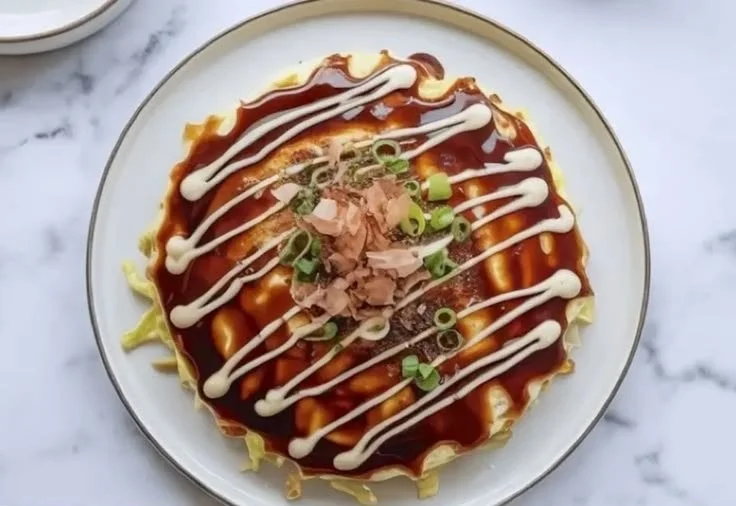
There’s a moment when a kitchen fills with a sizzling whisper and the air is threaded with the sweet, toasty scent of caramelizing cabbage — that’s the first sign your Japanese cabbage pancake (okonomiyaki-inspired) is nearly ready. Imagine biting through a thin, golden crust into a tender, slightly chewy center flecked with scallions; a subtle egg richness ties the texture together while a soy-sesame dipping sauce adds tang and umami. This is cooking that comforts: familiar, unpretentious, and deeply satisfying.
Perfect for a cozy weekday breakfast, a casual sharing plate at gatherings, or a quick dinner when you want something wholesome without fuss. If you enjoy other savory, vegetable-forward pancakes, you might also be interested in this savory beetroot oats pancake that plays with similar textures and bright flavors.
At a Glance
- Prep time: 10 minutes
- Cook time: 12–16 minutes (3–4 minutes per pancake)
- Total time: 22–26 minutes
- Servings: 4 pancakes (serves 4 as a snack or 2–3 as a light meal)
- Difficulty level: Easy — great for beginner cooks
Nutrition Highlights
Nutrition estimates below are per serving (one pancake) and calculated using standard composition data from USDA FoodData Central and general food composition references. These values are approximate and will vary slightly based on exact ingredient brands and the amount of oil absorbed while frying.
Per serving (1 of 4):
- Calories: ~200 kcal
- Protein: ~5.3 g
- Carbohydrates: ~26 g
- Fat: ~8.3 g
- Fiber: ~2.0 g
- Sodium: variable (depends on added salt and dipping sauce)
Notes:
- Estimates use common measures: 2 cups shredded cabbage (≈178 g), 1 cup all-purpose flour (≈120 g), 1 large egg, 2 tbsp oil for frying total.
- For precise tracking (if you’re monitoring macros or sodium), weigh your ingredients and consult USDA FoodData Central or your nutrition app of choice. Trusted authorities such as the CDC and Mayo Clinic recommend mindful portion sizes and limiting added sodium for heart health; adjusting sauces and salt will significantly affect the sodium number.
Why You’ll Love It
There are plenty of reasons to make this dish, but three stand out:
- Sensory payoff: crisp exterior, tender interior, bright green scallions, and the savory aroma of cooked cabbage make each bite irresistibly textural and flavorful.
- Speed and simplicity: a handful of pantry staples come together in under 30 minutes, perfect for weeknights or impromptu guests.
- Social and adaptable: serve whole pancakes family-style or cut into wedges for a party platter — everyone can add their favorite sauce or toppings.
How to Make Japanese Cabbage Pancake
Ingredients
- 2 cups shredded cabbage (about 178 g)
- 1 cup all-purpose flour (≈120 g)
- 1 cup water
- 1 large egg
- 1/4 cup chopped green onions (scallions) (≈25 g)
- Salt to taste (about 1/2 tsp, optional)
- Oil for frying (about 2 tablespoons total)
Optional ingredients and substitutions
- 1 tsp soy sauce or 1 tbsp dashi for extra umami
- 1/4 cup grated carrot or thinly sliced shiitake mushrooms for added veg
- For a vegan pancake: replace the egg with 3 tbsp chickpea flour mixed with 3 tbsp water or 1/4 cup silken tofu, blended smooth
- Gluten-free: swap all-purpose flour for a 1:1 gluten-free baking flour or rice flour (may need slightly more water)
- Add-ins: small cooked shrimp, bacon bits, or shredded cheese
Method (step-by-step)
- In a large bowl, combine the shredded cabbage, all-purpose flour, water, egg, chopped green onions, and salt (if using). Mix gently until evenly combined; the batter should be the consistency of a thick pancake batter — add a tablespoon more water if too thick.
- Heat a non-stick skillet or cast-iron pan over medium heat. Add about 1/2 tablespoon oil and swirl to coat.
- Pour ~1/4 of the batter into the pan (about 1/3 to 1/2 cup, depending on desired pancake size) and spread slightly into a round. Keep pancakes an even thickness for consistent cooking.
- Cook for 3–4 minutes, until the underside is golden and edges look set. Flip carefully with a spatula and cook for another 3–4 minutes until both sides are golden brown and cooked through. Adjust heat if the exterior browns too quickly before the pancake cooks inside.
- Transfer to a wire rack or paper towel-lined plate; add a little oil to the pan and repeat with remaining batter.
- Serve hot with your favorite dipping sauce (soy-sesame, tonkatsu/okonomiyaki sauce, or spicy mayo).
Practical tips
- Avoid overmixing: stop mixing once ingredients are combined to keep pancakes tender.
- Test one pancake first to check cooking time and heat adjustments.
- Press gently with the spatula after flipping to ensure even contact and crisping.
- If batter seems watery from very juicy cabbage, let it sit 5 minutes to settle or squeeze out a little excess moisture using your hands.
Serving Suggestions
- Simple and classic: serve hot with a drizzle of soy-sesame sauce and a sprinkle of sesame seeds.
- Brunch-style: top with a soft-fried egg, a squeeze of lemon, and chopped herbs.
- Party platter: cut into wedges, arrange on a platter with small bowls of tonkatsu sauce, kewpie mayo, and pickled ginger for dipping.
- Snack pairing: enjoy alongside a cup of green tea or a milky coffee for contrasting flavors.
- If you want a buttery twist, serve with a pat of herb butter that melts over the warm pancake.
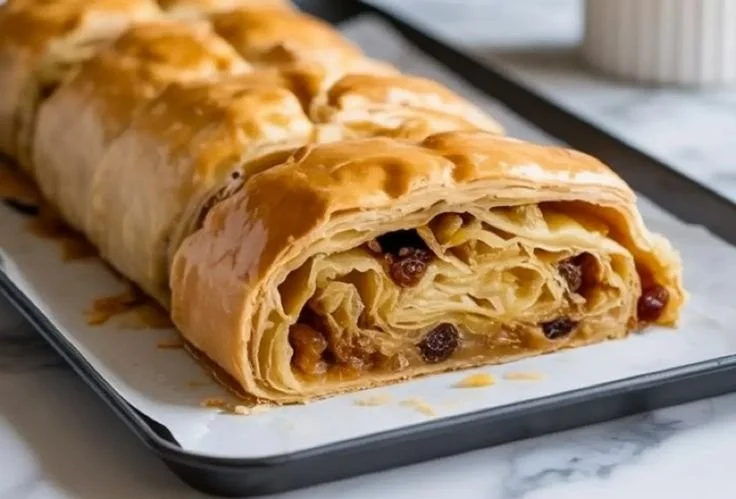
For a complementary flaky cabbage side, consider pairing with a light cabbage strudel for a textural contrast.
Storage Instructions
- Room temperature: Do not leave cooked pancakes at room temperature for more than 2 hours (perishable foods should be refrigerated within 2 hours).
- Refrigerator: Store in an airtight container for 3–4 days. Reheat in a skillet over medium heat or in a 350°F (175°C) oven to preserve crispness.
- Freezer: Lay pancakes in a single layer on a tray to flash-freeze, then transfer to a freezer bag; store for up to 1–2 months. Reheat from frozen in a skillet over medium-low heat with a splash of oil, covered briefly to heat through, then uncover to crisp.
Chef’s Advice
- Use a hot, well-seasoned skillet or cast iron for the best crust.
- For extra flavor, fold a teaspoon of miso into the batter or add a splash of dashi instead of plain water.
- Keep the cabbage texture — finely shredding yields tender pancakes, while coarsely shredded cabbage gives more chew and bite.
- Monitor oil temperature: medium heat prevents burning while allowing the interior to cook fully.
- If making ahead, undercook by 30–60 seconds and finish in the skillet just before serving to regain peak crispness.
Creative Twists
- Vegan kimchi-style pancake: use the chickpea-flour egg substitute, add chopped kimchi (squeeze out excess liquid), and top with scallion oil.
- Seafood okonomiyaki: fold in small cooked shrimp or chopped squid and finish with okonomiyaki sauce and bonito flakes (if not strictly vegetarian).
- Gluten-free herb pancake: use rice flour or a gluten-free blend, add chopped cilantro and a pinch of chili flakes, and serve with lime-spiked yogurt.
- Cheesy comfort: stir 1/2 cup shredded cheddar into the batter for melty pockets of cheese.
Recipe Q&A
Q: Can I make the batter ahead?
A: You can mix the dry ingredients and shredded cabbage a few hours ahead, but add the egg and water just before frying to avoid the cabbage releasing too much moisture.
Q: My pancakes are soggy inside — what happened?
A: Likely the pan was too hot or too cold. Use medium heat and make sure pancakes are not overly thick. If cabbage is very wet, squeeze out excess moisture before mixing.
Q: How can I reduce oil absorption?
A: Use a preheated non-stick or cast-iron skillet, add just enough oil to coat, and pour out excess after frying onto a paper towel-lined plate. Reheating in an oven or toaster oven also helps crisp without extra oil.
Q: Is this recipe suitable for kids?
A: Yes — mild flavors, soft interior, and finger-friendly size make it kid-appealing. Reduce salt and spicy toppings as needed.
Q: Any healthier options?
A: Use whole-wheat pastry flour or a blend, reduce oil for frying and reheat in an oven, and bulk up with additional shredded vegetables to increase fiber and micronutrients.
Conclusion
I hope this guide inspires you to make a batch of these crispy, comforting Japanese cabbage pancakes soon — they’re forgiving, quick, and endlessly adaptable. If you want a classic okonomiyaki perspective or a recipe with traditional toppings, this okonomiyaki recipe from The Kitchn offers a great technique and topping ideas. For a nutrition-focused take and more variations on cabbage pancakes, check out this informative piece on Okonomiyaki – Japanese Cabbage Pancake.
Give these pancakes a try, share your tweaks in the comments or on social, and don’t forget to tag a friend who’d love a crispy, warm snack straight from your skillet.