Turkish Roasted Lamb
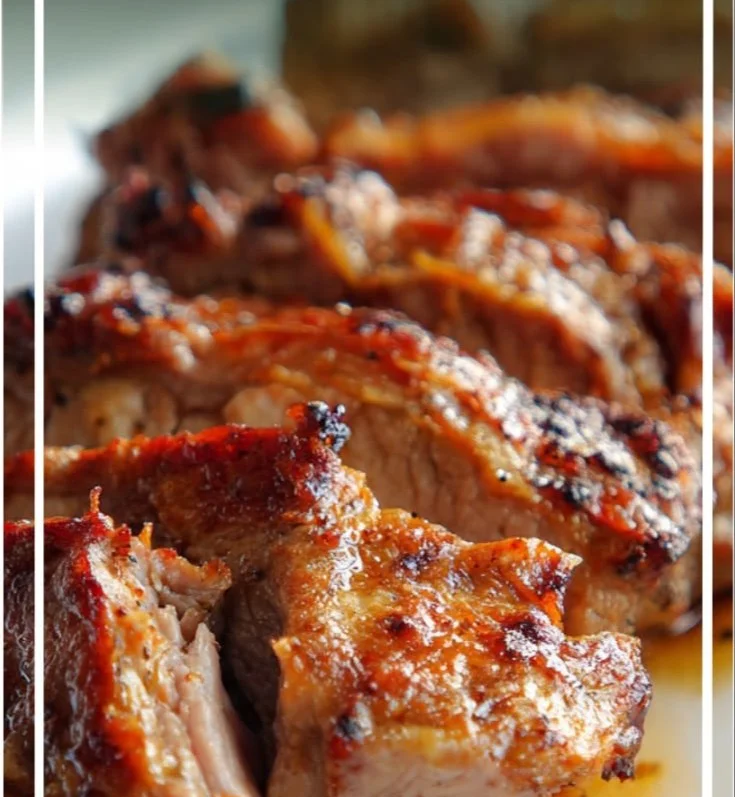
There’s a particular moment when the kitchen fills with a honeyed, smoky warmth and the scent of paprika, cumin, and garlic curls through the house—that’s the promise of Turkish roasted lamb. The crust forms a caramelized, fragrant shell; the interior stays tender and slightly rosy, with rich, savory juices that sing against the bright, earthy sweetness of roasted carrots and potatoes. Each slice offers contrast: a crisp edge, soft meat fibers, a melt-in-your-mouth fattiness tempered by fresh herbs. It’s a dish that draws people into the same room, invites slow conversation, and conjures memories of family tables and festive evenings.
This recipe works beautifully for a celebratory weekend roast, a long holiday table, or any time you want a comforting, show-stopping main. If you want a slower, fall-apart version, consider a shoulder roast—there’s a great slow-roasted lamb shoulder riff you can compare for an alternate texture and timing: Slow roasted lamb shoulder with rosemary & garlic.
Dish Snapshot
- Prep Time: 20 minutes (plus optional 2–12 hours to marinate)
- Cook Time: 1.5–2 hours
- Total Time: 1 hour 50 minutes–14 hours (including marinating)
- Servings: 6–8 people
- Difficulty Level: Moderate (requires attention to temperature and resting time)
Nutrition Highlights
Estimated per serving (based on 8 servings). These values are estimates calculated from standard nutrient profiles for roasted lamb and common roasted vegetables; for reference, USDA FoodData Central nutrient profiles and professional guidance from the Mayo Clinic were used to derive these figures.
- Calories: ~550 kcal
- Protein: ~44 g
- Carbohydrates: ~22 g
- Fat: ~33 g
- Fiber: ~3 g
- Sodium: ~450 mg
Note: Nutrient totals vary with the exact size of the leg, trimming of fat, vegetable quantities, and added salt. The USDA FoodData Central provides detailed entries for roasted leg of lamb and common vegetables if you need precise scaling for dietary tracking.
Perfect For…
This Turkish roasted lamb shines for gatherings where the main should feel generous and memorable—holiday feasts, Sunday suppers, and special family celebrations. It’s equally satisfying as a weekend ritual when you want to slow down and savor cooking. The aromatic spice blend (paprika, cumin, coriander, garlic) gives the roast a warm, slightly smoky profile that plays beautifully against bright herb garnishes, making it ideal for autumn and winter menus, yet comforting year-round. It’s also great when you want a centerpiece that can be mostly hands-off while you prep sides and enjoy company.
How to Make Turkish Roasted Lamb
Ingredients
- 1 leg of lamb (about 4–6 lb / 1.8–2.7 kg), bone-in preferred
- 2 tablespoons olive oil
- 2 teaspoons paprika (smoked paprika if desired)
- 1 teaspoon ground cumin
- 1 teaspoon ground coriander
- 3 cloves garlic, minced
- Salt and freshly ground black pepper, to taste
- Assorted vegetables: 3 large carrots (cut into thick chunks), 3 medium potatoes (cut into wedges), 2 onions (quartered)
- Fresh herbs for garnish: parsley, mint, or dill (optional)
Optional ingredients and substitutions
- 1 teaspoon Aleppo pepper or red pepper flakes for heat
- 1 tablespoon yogurt or lemon juice added to the marinade for brightness and tenderizing
- Substitute lamb leg with lamb shoulder for a slower, pull-apart texture (see the internal slow-roasted shoulder link above)
- Use ghee or butter in place of olive oil for a richer finish
Step-by-step instructions
- Preheat your oven to 375°F (190°C).
- In a small bowl, mix olive oil, paprika, cumin, coriander, minced garlic, salt, and pepper to create a marinade.
- Rub the marinade all over the leg of lamb, ensuring you get into any pockets and around the bone. If you have time, cover and marinate in the refrigerator for 2–12 hours for deeper flavor.
- Place the lamb in a roasting pan and surround it with the chopped vegetables. Drizzle any leftover marinade over the vegetables and season them lightly with salt and pepper.
- Roast in the oven for about 1.5 to 2 hours, or until the internal temperature reaches 145°F (63°C) for medium-rare; for medium, target about 160°F (71°C). Insert a meat thermometer into the thickest part without touching bone.
- Let it rest for 15–20 minutes before slicing. Resting allows juices to redistribute and improves slicing texture.
- Serve with the roasted vegetables and garnish with fresh herbs if desired.
Practical tips
- Use an instant-read thermometer to avoid overcooking—temperature is the most reliable doneness cue.
- If the exterior is browning too quickly, tent loosely with foil for the last 30–45 minutes.
- Let the lamb come closer to room temperature before roasting (30–60 minutes) to encourage even cooking—don’t leave perishable meat at room temp for hours.
- Baste the roast with pan juices once or twice during cooking for a more pronounced glaze on the crust.
Best Pairings
- Sauces: A simple yogurt-lemon sauce with garlic and a pinch of mint, or a chimichurri-like herb dressing for freshness.
- Sides: Roasted root vegetables and buttery mashed potatoes, or a bulgur pilaf with toasted pine nuts and herbs for a Mediterranean accent.
- Salads: A crisp cucumber-tomato salad with red onion, sumac, and olive oil cuts the richness and adds brightness.
- Beverages: Pair with a medium-bodied red wine like Syrah or Grenache, or for a non-alcoholic option, try a lightly spiced black tea or sparkling pomegranate soda.
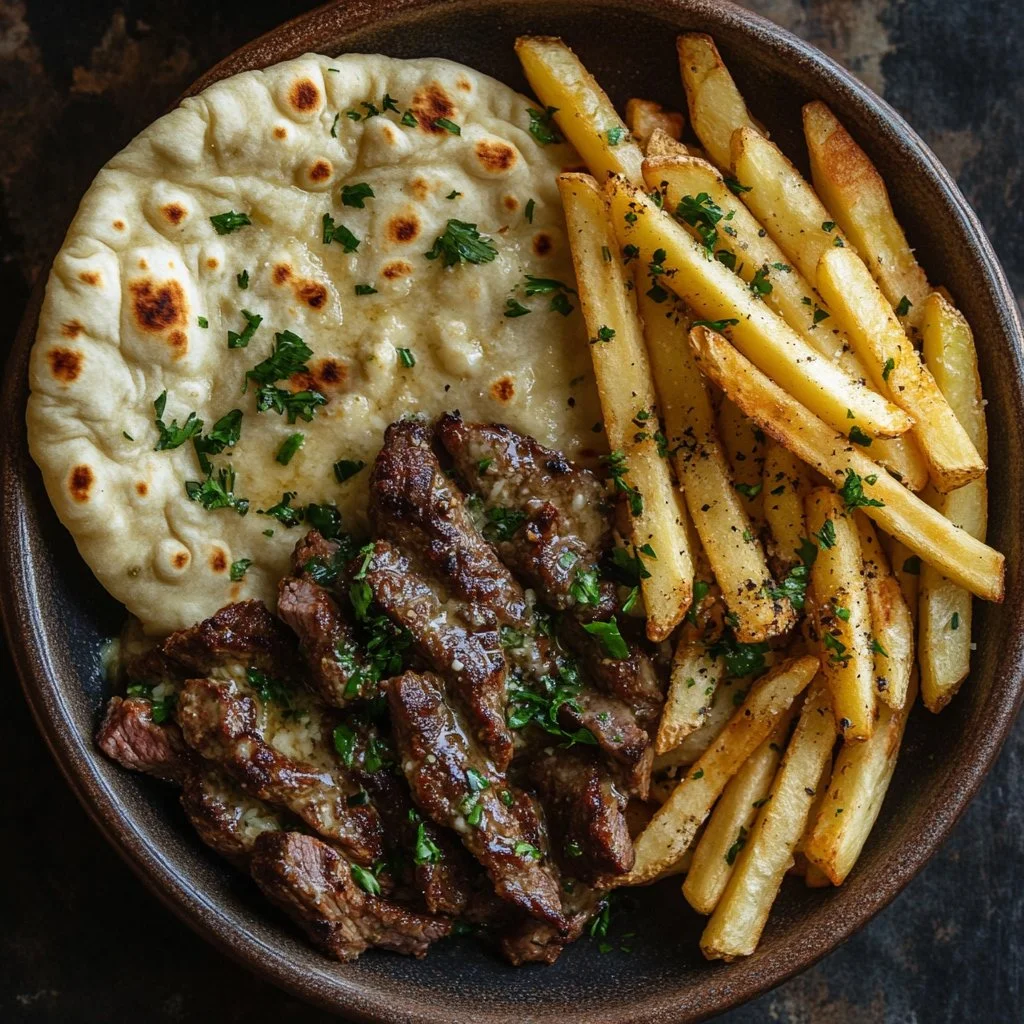
- For a contrasting, casual serving: thinly slice the roasted lamb and tuck into warm pita with yogurt sauce and pickled vegetables.
Shelf Life & Storage
- Room temperature: Do not leave cooked lamb at room temperature for more than 2 hours (1 hour if ambient temperatures exceed 90°F / 32°C). This prevents bacterial growth—so “days” at room temp is unsafe.
- Refrigeration: Store cooled, sliced or whole portions in airtight containers for 3–4 days. Reheat gently to maintain tenderness.
- Freezer: Wrap tightly in freezer-safe packaging and freeze for 2–3 months for best quality; label with date. Thaw overnight in the refrigerator before reheating.
Chef’s Advice
- Bone-in vs boneless: A bone-in leg gives more flavor and a better-looking roast; it also helps regulate cooking. Boneless will cook a little faster and is easier to carve.
- Crust development: For a perfectly caramelized crust, pat the lamb dry before applying the marinade—moisture inhibits browning.
- Doneness cues: Use an instant-read thermometer—145°F (63°C) for medium-rare, 160°F (71°C) for medium. Remember carryover cooking: the internal temp can rise a few degrees while resting.
- Resting: Don’t skip the rest. A 15–20 minute rest after roasting yields juicier, more tender slices.
- Want an alternative texture? For a fall-apart, shredded finish, try a slow-roasted shoulder or low-and-slow method. For inspiration on different techniques and flavor profiles, this slow-cooked shawarma-style approach provides a contrasting texture and spice profile: slow-cooked lamb shoulder variations.
Fun Flavor Ideas
- Citrus & Herb Finish: Add grated lemon zest and chopped parsley or mint to the pan juices and spoon over sliced lamb for a bright finish.
- Spiced Yogurt Marinade: Swap half the olive oil for plain yogurt and add turmeric and cinnamon to the spice mix for a tangy, tenderizing marinade.
- Smoky-Sweet Glaze: In the last 20 minutes, brush with a glaze made from pomegranate molasses and honey for a glossy, sweet-savory finish with a Turkish flair.
- Vegetarian alternative: For a plant-based centerpiece, use a spice-rubbed whole roasted cauliflower or a stacked roasted aubergine tower with similar spices, olive oil, and yogurt-harissa sauce.
All Your Questions Answered
Q: Can I make this ahead?
A: Yes. Roast the lamb, slice, and refrigerate the meat and vegetables separately. Reheat gently in a low oven (300°F / 150°C) covered with foil, or slice and warm in a skillet with a splash of stock.
Q: How do I keep the roast from drying out?
A: Monitor internal temperature with a thermometer, remove from the oven at the target temp, and rest covered loosely with foil. Baste once or twice during roasting and avoid overcooking.
Q: What are good substitutions for the spices?
A: If you don’t have coriander, extra cumin plus a pinch of cinnamon can replicate the warm profile. Sumac adds a lemony tang if you have it.
Q: Is this recipe healthy?
A: Lamb is a nutrient-dense protein that provides iron, B12, and zinc. Portion control and trimming excess fat reduce saturated fat intake. Refer to USDA/Mayo Clinic guidance for recommended portion sizes and daily nutrient goals.
Q: Can I use a convection oven?
A: Yes—reduce oven temp by about 25°F (15°C) and check earlier for doneness, as convection circulates heat and speeds cooking.
Conclusion
If you’re planning a meal that warrants lingering conversation, warm memories, and a richly spiced centerpiece, this Turkish roasted lamb is worthy of the invite. Try the pomegranate molasses glaze for a festive touch or keep it classic with a bright yogurt-herb sauce—and don’t forget to share photos and feedback with the community.
For a fragrant, restaurant-style spin with crispy rice to accompany the leg, see this inspired approach to Turkish-spiced lamb: Turkish-Spiced Leg Of Lamb With Crispy Rice – Daphne Oz.
If you want a contrasting technique that yields super-tender, shawarma-style shredded lamb, this slow-cooked take is an excellent reference: Slow Cooked Lamb Shawarma – RecipeTin Eats.
Enjoy the roast—invite people over, savor the aromas, and let the table linger.