
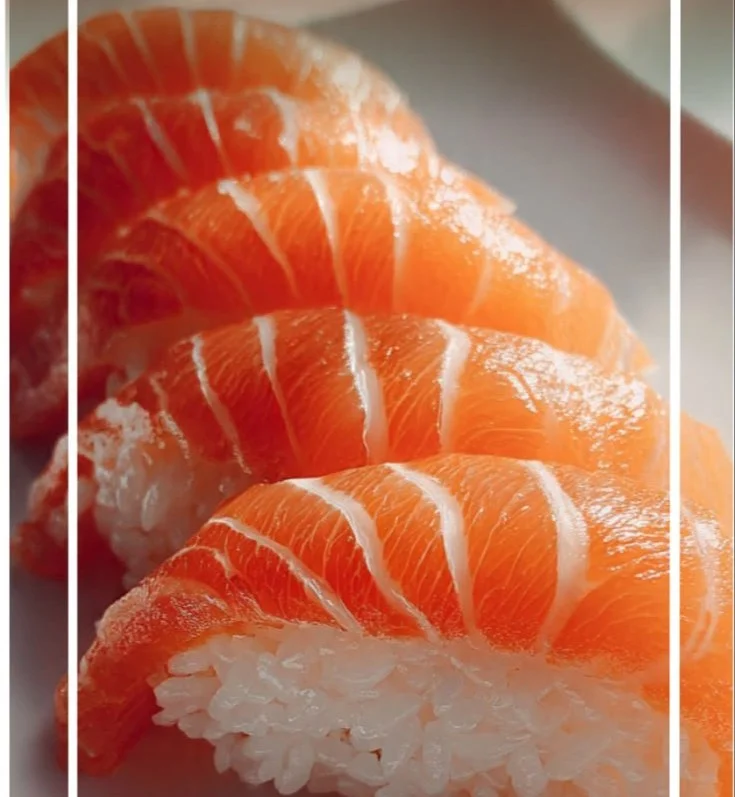
Salmon Nigiri Sushi
There’s a special kind of hush that falls over a kitchen when you’re making salmon nigiri — the faint, clean scent of rice vinegar brightening warm sushi rice, the glossy shimmer of fresh salmon, the soft, cool give when a slice meets your tongue. One bite offers a contrast: pillowy rice, silky fish, a whisper of wasabi heat and the salty kiss of soy. It’s simple, elegant, and surprisingly intimate — food that invites you to slow down and savor.
Salmon nigiri is perfect for intimate dinners, quick yet impressive lunches, or when you want restaurant-quality sushi at home without a long ingredient list. It’s also a heart-healthy option that feels indulgent, making it ideal for celebratory nights or peaceful solo meals. If you love salmon in other forms, you might enjoy exploring a richer, baked version — try this spicy salmon sushi bake recipe for a warm, shareable take on the same flavors.
Dish Snapshot
- Prep Time: 25 minutes (rice cooling included)
- Cook Time: 18–20 minutes (rice)
- Total Time: 45 minutes
- Servings: 4 (about 8–12 pieces, depending on rice size)
- Difficulty Level: Moderate (basic knife skills and rice handling)
Nutrition Highlights
Estimated nutrition per serving (approx. 2–3 pieces of salmon nigiri):
- Calories: 160 kcal
- Protein: 12 g
- Carbohydrates: 18 g
- Fat: 6 g (includes heart-healthy omega-3s)
- Sodium: ~220 mg (without added soy; soy sauce will increase this)
- Fiber: 0.3 g
- Sugars: 1.5 g
These values are estimates based on typical portions of sushi rice and raw Atlantic salmon, cross-referenced with USDA FoodData Central entries for cooked short-grain rice and raw salmon, and general nutrition guidance from health authorities such as the Mayo Clinic for portion-level context. Actual values will vary by rice portion, salmon cut, and any condiments used (soy, mayo, etc.).
Why You’ll Love It
- Irresistible texture contrast: the sticky tenderness of seasoned rice against the sleek silk of raw salmon.
- Quick to assemble once the rice is ready — it’s a great last-minute impressive dish.
- Social and sensory: serving nigiri invites communal eating and conversation, making it great for small gatherings.
- Nutritionally smart: salmon brings high-quality protein and omega-3 fats, supporting heart and brain health (see Mayo Clinic resources for omega-3 benefits).
- Versatile: elegant enough for a special meal but simple enough for weeknight luxury.
Preparation Guide
Ingredients (makes about 8–12 pieces):
- 1 cup sushi rice (short-grain rice)
- 1 1/4 cups water (for cooking rice; adjust per package)
- 3 tbsp rice vinegar
- 1 tbsp sugar
- 1 tsp fine salt
- 8–12 slices fresh sashimi-grade salmon (about 3–4 oz / 85–115 g total), thinly sliced across the grain
- Soy sauce, for serving
- Wasabi, for serving
- Pickled ginger, for serving
- Optional: small sheets of nori (to wrap around the nigiri), toasted sesame seeds, thinly sliced scallion
Substitutions and optional ingredients:
- Rice: short-grain brown rice can be used for a nuttier flavor (changes texture and cooking time).
- Salmon: if sashimi-grade salmon is unavailable, lightly sear (aburi) or use smoked salmon for a different but safe option.
- Vinegar mix: you can use seasoned rice vinegar sold ready-made instead of sugar + vinegar.
- Gluten-free: use tamari or gluten-free soy sauce.
Step-by-step instructions:
- Rinse the sushi rice under cold water until the water runs clear. Cook the rice according to package instructions.
- Once cooked, let it cool slightly and mix with rice vinegar to season it. (Combine rice vinegar, sugar, and salt until dissolved; fold gently into hot rice using a wooden paddle, fanning the rice to cool for shine.)
- Slice the fresh salmon into thin pieces.
- Wet your hands and take a small amount of sushi rice, molding it into a small oval shape.
- Place a slice of salmon on top of each rice oval.
- Serve with soy sauce, wasabi, and pickled ginger on the side.
Practical tips:
- Avoid overmixing the rice when seasoning — use a gentle slicing motion to keep grains intact.
- Keep your hands damp (vinegared water helps) to prevent rice from sticking.
- Slice salmon at a 45-degree angle for the most elegant, wide pieces; chill the fish slightly to get cleaner cuts.
- If you’re using nori strips, wrap a thin strip around the middle of each nigiri to secure the salmon.
- Taste as you go — adjust vinegar seasoning to your preference before molding all the rice.
You can also explore a warm, oven-baked variant if you prefer a cooked topping; for inspiration, check out this spicy salmon sushi bake guide.
Best Pairings
- Classic: small dish of soy sauce, a dab of wasabi, and pickled ginger to cleanse the palate.
- Sides: miso soup, edamame, or a simple seaweed salad.
- Drinks: crisp, cold sake (junmai or ginjo), light-bodied white wine (sauvignon blanc), or green tea for a non-alcoholic option.
- For a snack or brunch: serve with sliced avocado or a drizzle of yuzu kosho mayo for a citrusy twist.
Storing Leftovers
- Room temperature: Sushi should not be left at room temperature for more than 2 hours (per food safety guidelines) because raw fish is perishable.
- Refrigeration: Store leftover nigiri in an airtight container in the fridge and consume within 24 hours for best quality and safety. Note that rice dries out and raw fish texture changes quickly.
- Freezer: Freezing nigiri is not recommended — freezing alters rice texture and the quality of raw salmon. If you must store salmon, freeze raw, vacuum-sealed sashimi-grade salmon for up to 2 months separately (thaw safely in the fridge before using).
Chef’s Advice
- Choose sashimi-grade salmon from a trusted fishmonger; freshness is the single most important factor for raw fish dishes.
- Practice consistent rice portions — using a small ice cream scoop or measuring spoon helps keep pieces uniform.
- Keep your knife very sharp and slice in a single, steady motion to avoid tearing the salmon.
- If you’re nervous about raw fish, briefly torch the top of the salmon (aburi style) to add flavor and partially cook the surface while keeping the interior silky.
Creative Twists
- Citrus-kissed nigiri: brush a tiny bit of yuzu or lemon on the salmon and finish with microgreens.
- Spicy mayo top: mix mayonnaise with sriracha and a dash of sesame oil; pipe a small dollop on each piece for a spicy-sweet upgrade.
- Vegetarian alternative: substitute thin slices of marinated king oyster mushroom or smoked carrot ribbons for a vegan nigiri that mimics the silky texture.
- Gluten-free: swap soy sauce for tamari and ensure rice vinegar is gluten-free (most are).
- Crunchy finish: sprinkle toasted sesame seeds or very finely fried shallots on top for texture contrast.
All Your Questions Answered
Q: Can I use frozen salmon?
A: Yes — use sashimi-grade salmon that has been frozen to the label-recommended temperatures to kill parasites; thaw in the refrigerator before slicing.
Q: My rice is sticky clumpy — what went wrong?
A: You may have overcooked or overmixed. Rinse rice well before cooking and fold gently when seasoning. Use the correct rice-to-water ratio for short-grain sushi rice.
Q: How do I make nigiri look professional?
A: Keep rice portions uniform, slice salmon against the grain at an angle, and wipe your knife between cuts for clean edges.
Q: Is it safe to make this at home?
A: Yes, with proper sourcing of sashimi-grade fish, refrigeration, and hygiene. If unsure, consider lightly searing the salmon or using fully cooked alternatives.
Q: What should I do with leftover sushi rice?
A: Keep it refrigerated in an airtight container and use within 24 hours for sushi; you can repurpose it into onigiri (rice balls) or fried rice after proper reheating (ensure food safety).
Conclusion
I hope this guide inspires you to make salmon nigiri at home — it’s a small ritual with big rewards: beautiful flavors, simple ingredients, and a lovely way to connect over food. For step-by-step variations and plating inspiration, see this excellent write-up on Salmon Nigiri – Manu’s Menu, and for another traditional take with clear photos and technique notes, check out Salmon Nigiri – Kazuko’s Recipes. Share your attempts, tweaks, and photos — I’d love to hear how your nigiri turns out.