Easy Gluten-Free Chickpea Flatbread with an Incredible Nutrient Boost
Introduction
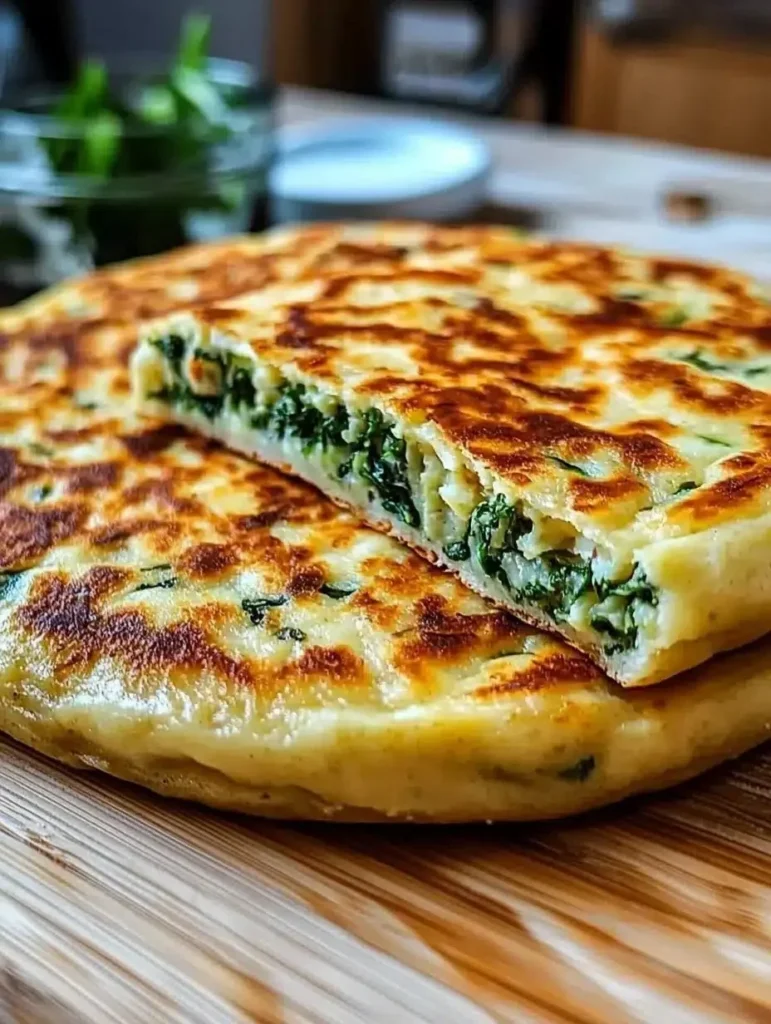
Wake up to the warm, toasty scent of chickpea flatbread—nutty, slightly earthy, and comforting in a way that makes your kitchen feel like the coziest corner of the world. Each flatbread yields a golden exterior that crackles softly under your fingertips and a tender, slightly springy crumb that carries savory notes of garlic and herbs when you choose to add them. Close your eyes, tear a piece, and you’ll notice a satisfying density and a clean, legume-forward flavor that pairs beautifully with bright toppings or simply a swipe of olive oil.
This recipe is perfect for bustling weekday mornings when you need a quick, nourishing base for eggs or avocado toast; it also shines at casual gatherings as a gluten-free alternative for sharing boards and dips. On chilly nights it’s a warm hug on a plate; during busy holiday prep it’s a reliable, nutrient-rich foundation that cooks in minutes. If you enjoy exploring wholesome bakes, you might also love the texture and warmth of this banana loaf with walnuts as a companion treat: banana loaf with walnuts.
At a Glance
- Prep Time: 5 minutes
- Cook Time: 6–8 minutes per flatbread (depending on pan size)
- Total Time: 15–20 minutes (for two rounds, including brief resting)
- Servings: 2 (makes two medium flatbreads) — easily doubled
- Difficulty Level: Easy — perfect for beginner cooks
Nutrition Highlights
The nutritional values below are estimates based on ingredient values from USDA FoodData Central and general guidance on sodium and fat from the Mayo Clinic. Values are per serving (recipe divided into 2 servings).
Estimated nutrition per serving:
- Calories: ~282 kcal
- Protein: ~11 g
- Carbohydrates: ~30 g
- Dietary Fiber: ~6 g
- Total Fat: ~10 g
- Saturated Fat: ~1 g
- Sodium: ~1,160 mg (from 1 tsp salt split between two servings)
Notes:
- Chickpea flour is protein-rich for a flour alternative and contributes fiber and micronutrients (iron, folate).
- Sodium is influenced strongly by the salt added; reduce salt if you need a lower-sodium option. (Refer to Mayo Clinic guidance on daily sodium limits.)
- These are estimates; exact values will vary by brand and precise measurements.
Why You’ll Love It
This flatbread wins hearts for several reasons:
- Flavor & Texture: The chickpea base gives a toasted, nutty aroma and a satisfying chew that’s both rustic and refined.
- Speed & Simplicity: Mix and cook in under 20 minutes—ideal for busy households and last-minute guests.
- Health Benefits: Naturally gluten-free and plant-protein rich, it’s a great option for anyone avoiding wheat or boosting legume-based protein.
- Versatility & Sharing: Use it as a base for dips, stack it for sandwiches, or tear pieces at a party—everyone can enjoy it, and it pairs effortlessly with savory or bright toppings.
How to Make Easy Gluten-Free Chickpea Flatbread with an Incredible Nutrient Boost
Ingredients
- 1 cup chickpea flour (besan) — about 120 g
- 1 cup water
- 1 teaspoon salt
- 1 tablespoon olive oil (plus extra for cooking)
- 1 teaspoon baking powder
- 1 teaspoon garlic powder (optional)
- 1–2 tablespoons chopped fresh herbs (optional — rosemary, thyme, or parsley)
Optional ingredients and substitutions:
- For a lighter texture: add 1 tablespoon plain yogurt (dairy or plant-based) or let batter rest 10–15 minutes before cooking.
- To make it spicier: add 1/4 teaspoon smoked paprika or 1/4 teaspoon chili flakes.
- To reduce sodium: use 1/4–1/2 teaspoon salt or replace with a pinch of potassium salt.
- For extra protein: stir in 1 tablespoon hemp seeds or ground flax (adjust water as needed).
Step-by-step Instructions
- Mix dry ingredients: In a bowl, whisk together chickpea flour, baking powder, salt, and garlic powder (if using).
- Add wet ingredients: Stir in water and 1 tablespoon olive oil until a smooth, lump-free batter forms. The batter should be pourable but slightly thick—think pancake batter; add a splash more water if it’s too thick.
- Optional rest: Let the batter rest 5–10 minutes. This helps hydrate the flour and gives a better texture.
- Heat the pan: Warm a non-stick skillet or cast-iron pan over medium heat. Brush lightly with olive oil.
- Cook the flatbread: Pour about 1/2 cup of batter into the pan and use the back of a spoon to spread into a circle ~6–7 inches across. Cook 3–4 minutes until the edges look set and bubbles form. Flip and cook 2–3 minutes more until both sides are golden and slightly crisp.
- Repeat: Transfer to a plate and keep warm. Repeat with remaining batter; add more oil to pan as needed.
- Check doneness: The flatbread should be firm and spring back slightly when pressed. If the center feels too soft, give it another 30–60 seconds per side on lower heat.
Practical Tips:
- Avoid overmixing; whisk just until combined to keep the texture tender.
- If batter thickens during cooking, thin with a tablespoon of water.
- For uniform flatbreads, use an 8-inch ring to spread batter in the pan.
Best Pairings
- Simple: Brush warm flatbread with extra-virgin olive oil and a sprinkle of flaky sea salt.
- Breakfast: Top with smashed avocado, chili flakes, and a poached or fried egg.
- Shareable: Serve alongside hummus, baba ghanoush, or a bright tomato-basil salad.
- Savory sandwich: Use as bread for grilled vegetables, feta, and a lemon-yogurt sauce.
- Light meal idea: Pair with a crisp salad or a bowl of spiced lentil soup for a cozy dinner.
If you’re compiling a menu for a gathering, this flatbread pairs particularly well with seafood-forward, citrusy dishes—consider including something like our creamy lemon pasta with lobster to round out the flavors: creamy lemon pasta with lobster.
Storage Instructions
- Room temperature: Store wrapped in a clean kitchen towel or airtight container for up to 1 day. Best eaten same day for peak texture.
- Refrigeration: Place cooled flatbreads in an airtight container with a piece of parchment between layers; refrigerate up to 3–4 days.
- Freezer: Stack flatbreads with parchment between them, place in a freezer-safe bag, and freeze up to 2 months. Reheat from frozen in a skillet on low heat until warmed through.
Reheating tips:
- For crisp edges, reheat in a dry skillet over low-medium heat for 1–2 minutes per side.
- Microwave for 20–30 seconds for quick warming (texture will be softer).
Chef’s Advice
- Pan matters: A heavy skillet or cast iron gives the most even browning and a delightful crust.
- Heat control: Cook at medium to medium-high—too hot and the outside will burn before the interior cooks; too low and the bread will dry out.
- Texture cues: Look for small bubbles and a matte (not wet) surface before flipping; the first side should release easily when it’s ready.
- Make-ahead batter: You can store batter in the fridge for up to 24 hours; it may thicken—stir in a little water before cooking.
- Herb distribution: Toss fresh herbs into the batter at the end to avoid bruising and to keep bright flavor.
Creative Twists
- Mediterranean Fold: Add 2 tablespoons chopped sun-dried tomatoes and 2 tablespoons crumbled feta to the batter. Serve with tzatziki.
- Herb & Za’atar: Mix 1 tablespoon za’atar into the batter and top cooked flatbreads with labneh and olive oil.
- Sweet Savory: For a brunch twist, omit garlic powder, add 1 tablespoon honey to the batter, and top with ricotta and berries.
- Vegan Boost: Stir in 1 tablespoon ground flax + 3 tablespoons water (let gel for 5 minutes) for added omega-3s and texture.
- Stuffed Pocket: Cook a slightly thicker round, fold with a filling of sautéed mushrooms and greens, then warm in a panini press.
Recipe Q&A
Q: Can I use other flours instead of chickpea flour?
A: This recipe relies on chickpea flour for structure and flavor. Substituting with other gluten-free flours will change texture—if trying another flour, consider recipes specifically developed for them.
Q: My flatbread is gummy in the middle—what went wrong?
A: Likely undercooked or batter too thick. Cook a bit longer on lower heat and ensure batter is spread thinly and evenly.
Q: Want it lower in sodium?
A: Reduce salt to 1/4–1/2 teaspoon and rely on fresh herbs, lemon zest, or spices for flavor.
Q: How can I make the flatbread crispier?
A: Cook a bit longer at slightly higher heat and use a well-seasoned cast-iron skillet; don’t cover while cooking, and finish with a quick high-heat sear if needed.
Q: Can I double or triple the recipe?
A: Yes—scale ingredients proportionally. If making large batches, cook in multiple pans or keep finished flatbreads warm in a low oven (200°F / 95°C) on a rack.
Conclusion
This easy gluten-free chickpea flatbread is a fast, nourishing recipe with an inviting aroma and a versatile personality—perfect for mornings, gatherings, or a simple weekday supper. Try it, adapt it to your favorite flavors, and share your results so others can enjoy the same warm satisfaction.
For more wholesome recipe ideas and inspiration, check out this collection of Nutrition Over Easy healthy recipes, and if you’re exploring gluten-free baking techniques, this guide to gluten-free sourdough bread is an excellent resource.