
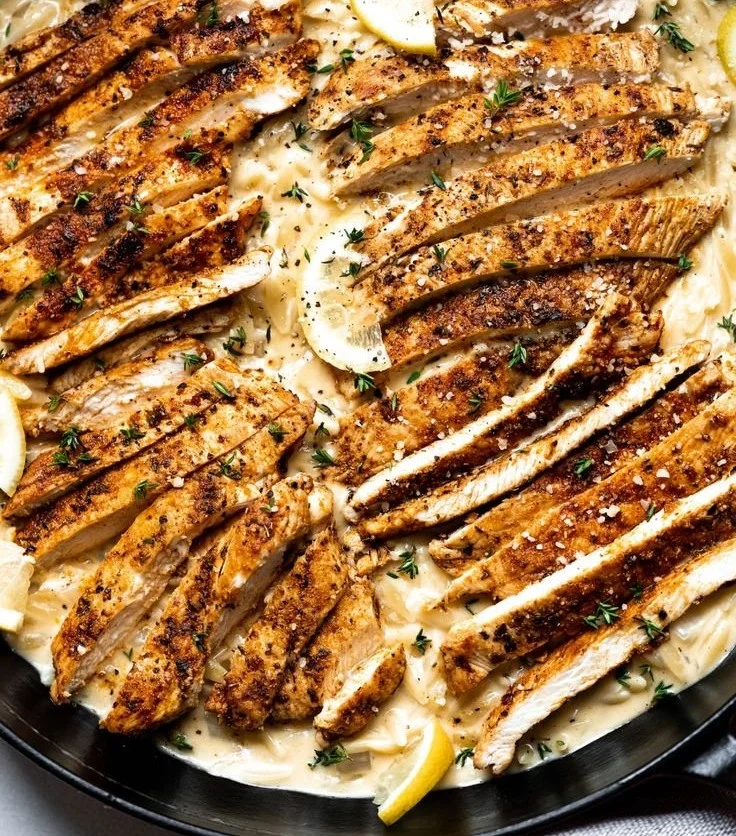
Creamy Cajun Chicken Orzo
Introduction
Warm, spiced steam rises as the pot simmers: the bright, smoky perfume of Cajun seasoning, the nutty depth of Parmesan, and the comforting, almost silky whisper of heavy cream folding into tiny rice-shaped orzo. Each spoonful gives you tender ribbons of chicken, soft little pasta pearls, and flecks of sautéed bell pepper and onion—creamy without being cloying, spicy without overpowering. This is food that hugs you from the inside out.
This recipe is perfect for weeknight dinners when you want something quick but impressive, for casual dinner parties when you want a single-pot winner, or for cozy weekend meals when comfort and flavor are top priorities. If you like creamy, spice-forward pasta dishes, you might also enjoy this variation of a creamy Cajun pasta: Creamy Cajun Chicken and Rotini.
At a Glance
- Prep time: 15 minutes
- Cook time: 20–25 minutes
- Total time: 35–40 minutes
- Servings: 4 generous portions
- Difficulty level: Easy — great for cooks of all skill levels
Nutrition Highlights
Estimated nutrition per serving (1 of 4). Values are approximations calculated from standard ingredient nutrition profiles (USDA FoodData Central) and should be used as a guideline. For personalized dietary guidance consult reliable sources such as the CDC or Mayo Clinic.
- Calories: ~760 kcal
- Protein: ~49 g
- Carbohydrates: ~48 g
- Fat: ~38 g
- Saturated fat: ~18 g
- Fiber: ~2–3 g
- Sodium: ~900 mg (varies with broth and Cajun seasoning used)
Why You’ll Love It
This dish balances bold and comforting in one pan. The Cajun seasoning delivers a warm, peppery backbone that wakes up the senses, while the cream and Parmesan soften and round the heat into an indulgent sauce. It’s a crowd-pleaser for family dinners—kids and adults alike will find something to love—and it’s forgiving enough to make on busy nights. The texture contrast—tender chicken, al dente orzo, and sautéed vegetables—keeps every bite interesting. If you’re feeding a group, it scales well and retains flavor when reheated, which makes it ideal for meal prep or potlucks.
Preparation Guide
Ingredients
- 1 lb (450 g) boneless, skinless chicken breasts (about 2 medium breasts)
- 2 tablespoons Cajun seasoning (adjust to taste)
- Salt and freshly ground black pepper, to taste
- 2 tablespoons olive oil
- 1 medium yellow onion, finely chopped (about 1 cup)
- 3 cloves garlic, minced
- 1 red bell pepper, seeded and diced
- 8 oz (227 g) dry orzo pasta
- 3 cups (720 ml) low-sodium chicken broth
- 1 cup (240 ml) heavy cream
- 1/2 cup (50 g) freshly grated Parmesan cheese
- Optional garnish: chopped fresh parsley or green onions
Optional ingredients and substitutions
- For lower fat: substitute half-and-half for heavy cream (sauce will be lighter), or use a blend of Greek yogurt stirred in off-heat for tang and creaminess.
- Gluten-free: use a gluten-free orzo or a small gluten-free pasta (adjust cook time).
- Vegetarian: replace chicken with firm tofu or chickpeas and use vegetable broth; increase Cajun seasoning for more oomph.
- Add-ins: baby spinach, sliced mushrooms, or smoked paprika for a smoky layer.
Step-by-step Instructions
- In a large pot, heat 1 tablespoon of the olive oil over medium heat.
- Season the chicken breasts on both sides with Cajun seasoning, a pinch of salt, and black pepper. Add to the pot and cook 4–6 minutes per side, until golden brown and cooked through (internal temperature 165°F / 74°C). Remove the chicken and set aside to rest, then slice or cube.
- In the same pot, add the remaining 1 tablespoon olive oil. Add the chopped onion, minced garlic, and diced bell pepper; sauté 4–5 minutes until softened and fragrant.
- Add the dry orzo to the pot, stirring to coat in oil and toast gently for 1 minute.
- Pour in the chicken broth and return the cooked chicken to the pot. Bring everything to a boil.
- Reduce heat to a simmer and cook, uncovered, stirring occasionally, until the orzo is tender and has absorbed most of the liquid—about 10–12 minutes (check package directions and adjust as needed).
- Stir in the heavy cream and grated Parmesan cheese until the sauce is smooth and glossy.
- Cook for 2–3 more minutes until the sauce thickens to your liking. Taste and adjust seasoning with salt, pepper, or an extra pinch of Cajun seasoning.
- Serve hot, garnished with chopped parsley or green onions.
Practical tips
- Avoid overcooking the orzo; check at 9–10 minutes for al dente texture. Orzo will continue to absorb sauce off the heat.
- If the sauce becomes too thick, stir in a splash of chicken broth or cream until you reach the desired consistency.
- Let the chicken rest before slicing to keep it juicy.
- For a deeper flavor, deglaze the pot with a splash of white wine after sautéing the veggies, before adding the broth.
Best Pairings
- Sides: Serve with a simple arugula salad dressed in lemon vinaigrette to cut the richness.
- Bread: Crusty garlic bread or warm dinner rolls are perfect for mopping up the sauce.
- Drinks: A crisp white wine (Sauvignon Blanc or unoaked Chardonnay) or a citrusy IPA pairs nicely.
- For a lighter accompaniment: steam green beans or roast broccoli tossed with lemon and chili flakes.
Shelf Life & Storage
- Room temperature: Do not leave perishable cooked food at room temperature for more than 2 hours.
- Refrigerator: Store leftovers in an airtight container for up to 3–4 days. Reheat gently on the stove with a splash of broth or cream to restore creaminess, or microwave in short bursts stirring between.
- Freezer: You can freeze the dish (without garnish) for up to 2 months. Thaw overnight in the refrigerator and reheat slowly on the stove, stirring in liquid as needed to rebuild the sauce.
Pro Tips & Tricks
- Use freshly grated Parmesan for the best melting quality and flavor; pre-grated often contains anti-caking agents that affect texture.
- For even cooking, cut chicken breasts into uniform pieces before searing if you prefer to cook them in the pot with the orzo rather than searing whole.
- If you want a lighter sauce that still feels indulgent, use 3/4 cup heavy cream and 1/4 cup plain Greek yogurt added off the heat.
- Taste as you go—Cajun blends vary widely in salt and heat. Start with 1 tablespoon, then add more at the end if you want extra kick.
- A short rest after cooking lets the orzo absorb flavors; stir gently before serving.
Creative Twists
- Sausage & Peppers: Swap chicken for sliced smoked sausage or andouille; brown the sausage and reduce the Cajun to 1 tablespoon for a subtler heat.
- Lemon & Herb Brightness: Finish with the zest and juice of one lemon and a handful of fresh basil for a fresher, brighter profile.
- Vegan Creaminess: Use a full-fat coconut milk or cashew cream and plant-based Parmesan; replace chicken with roasted chickpeas or oil-fried tempeh for texture.
- Cheesy Bake: Transfer to a baking dish, top with extra Parmesan and breadcrumbs, and broil until golden for a gratin-style finish.
Recipe Q&A
Q: Can I use chicken thighs instead of breasts?
A: Yes—boneless skinless thighs add more fat and flavor and stay juicy; adjust cooking time slightly.
Q: My sauce separated—how do I fix it?
A: Stir in a small splash of warm broth or milk over low heat and whisk gently until it comes together. Avoid boiling after adding dairy.
Q: How can I reduce the sodium?
A: Use low-sodium chicken broth and reduce added salt and Cajun seasoning (or use a low-sodium Cajun blend).
Q: Is this freezer-friendly?
A: Yes, freeze in airtight containers for up to 2 months. Reheat slowly with extra liquid to restore creaminess.
Q: Can I make this on the stovetop in one pot?
A: Yes—this recipe is designed as a one-pot meal. Sear chicken first, remove it, then build the dish in the same pot to capture all the flavors.
Conclusion
If you try this creamy Cajun chicken orzo, you’ll likely find it becomes a go-to for flavorful, fuss-free dinners—rich, comforting, and versatile. For an alternate take that leans into the classic one-pot orzo approach, check out Cajun Chicken Orzo – Supergolden Bakes, and for a sausage-forward skillet variation, see Sausage and Creamy Cajun Orzo Skillet – Gal on a Mission. Share your photos and notes—I love seeing how readers make recipes their own.