Danish Poppy Seed Rolls
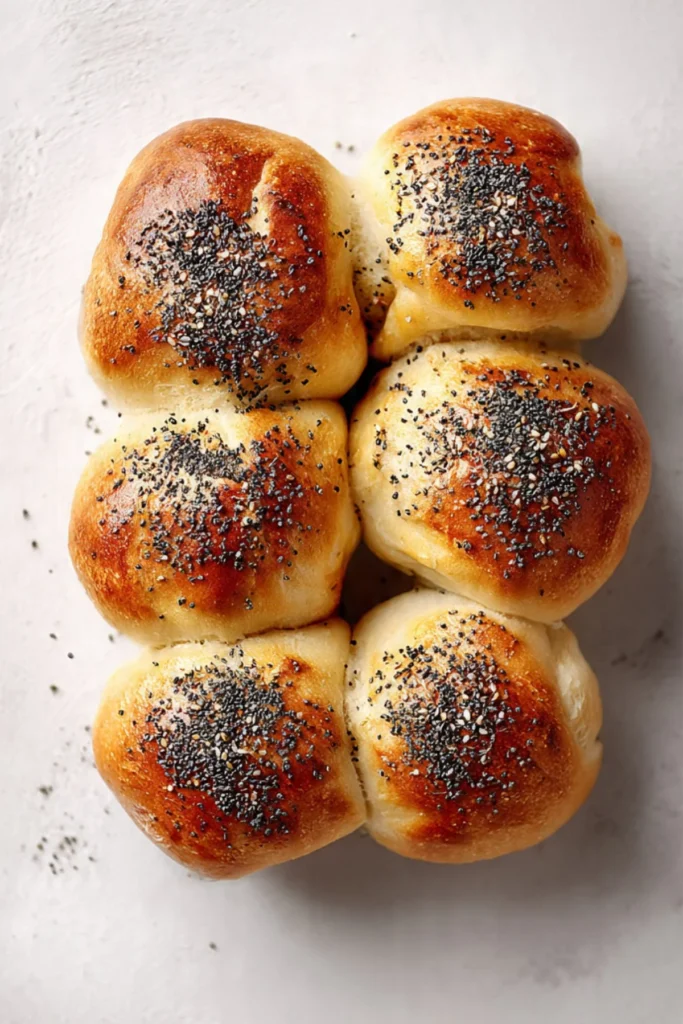
There’s a moment, minutes after the rolls come out of the oven, when the kitchen fills with a warm, buttery perfume threaded with the nutty whisper of poppy seeds — that first breath is unforgettable. Bite in and you’ll find a tender crumb with a delicate chew, the roll’s golden crust offering a faint crunch while the poppy seeds add brightness and a slight pop beneath your teeth. These Danish-style poppy seed rolls marry comfort and refinement in every mouthful: simple, elegant, and quietly indulgent.
This recipe is perfect for slow, cozy mornings when you want something homemade to pair with coffee, for weekend brunches that deserve a little ceremony, or as a thoughtful baked gift at the holidays. If you’re exploring other poppy-seed baked goods, you might also enjoy this easy poppy seed bagel recipe as a complementary treat: 3-Ingredient Poppy Seed Bagels.
At a Glance
- Prep Time: 20 minutes (plus 1 hour rising)
- Cook Time: 18–22 minutes
- Total Time: Approximately 1 hour 40 minutes (including rise)
- Servings: 12 rolls
- Difficulty Level: Intermediate — basic yeast-handling and kneading required
Nutrition Highlights
Estimated nutritional breakdown per roll (1 of 12). Values are approximations calculated from the ingredient list and cross-referenced with USDA FoodData Central; consult a nutrition professional for precise dietary planning.
- Calories: ~230 kcal
- Protein: ~6.1 g
- Carbohydrates: ~36 g
- Fat: ~6.5 g
- Fiber: ~1.5 g
- Sugars (total): ~3.7 g
- Sodium: ~220 mg
Notes on sources and context:
- Macronutrient and caloric values were calculated using nutrient data from the USDA FoodData Central (a U.S. government nutrition database). For guidance on daily sodium limits and heart-healthy recommendations, see the Mayo Clinic’s recommendations on sodium intake. These figures are estimates and will vary slightly with ingredient brands and precise measurements.
Why You’ll Love It
These poppy seed rolls are a small-pleasure, big-impact baked good. They deliver:
- Aroma-driven comfort: the scent of warm butter and baking bread is instantly homey.
- Balanced texture: soft interior, lightly crisped top, and a pleasing poppy-seed crunch.
- Versatility for gatherings: they’re elegant enough for holiday spreads, casual enough for weekday breakfasts, and portable for picnics or office treats.
- Ease without compromise: while they are made with yeast, the method is straightforward and rewarding — great practice for learning bread basics.
How to Make Danish Poppy Seed Rolls
Ingredients:
- 4 cups (500 g) all-purpose flour
- 2 1/4 teaspoons (7 g) active dry yeast (1 packet)
- 1 1/2 cups (360 ml) warm milk (about 100–110°F / 38–43°C)
- 1/4 cup (60 g) unsalted butter, melted
- 2 tablespoons (25 g) granulated sugar
- 1 teaspoon (6 g) salt
- 1 large egg
- 2 tablespoons (20 g) poppy seeds
Optional ingredients and substitutions:
- Use 2% milk or plant-based milk (oat or almond) for a slightly different flavor/texture; if using an unsweetened plant milk, dough hydration may be similar but richness will differ.
- Swap unsalted butter for salted butter and omit the 1 teaspoon salt.
- For richer rolls, brush with an egg wash (1 egg + 1 tbsp water) before sprinkling poppy seeds.
- To make them vegan: use plant-based milk, replace butter with vegan butter, and substitute the egg with a flax egg (1 tbsp ground flax + 3 tbsp water, chilled).
Preparation steps:
- Preheat oven to 375°F (190°C) and line a baking sheet with parchment paper.
- In a large bowl, mix warm milk and sugar. Sprinkle yeast on top and let sit for 5 to 10 minutes until foamy and active.
- Add melted butter, egg, and salt. Gradually mix in flour until a soft dough forms.
- Turn the dough onto a lightly floured surface and knead for 8 to 10 minutes until smooth and elastic.
- Place dough in a greased bowl, cover, and let rise in a warm draft-free place for about 1 hour or until doubled in size.
- Punch down the dough and divide into 12 equal pieces. Shape each into a smooth ball and place on the prepared baking sheet with about 1–2 inches between each.
- Brush the tops lightly with milk (or egg wash) and sprinkle evenly with poppy seeds.
- Bake for 18 to 22 minutes until the rolls are golden brown and sound hollow when tapped at the bottom.
- Cool slightly on a wire rack before serving.
Practical tips:
- Avoid overmixing once flour is added; mix until combined and then knead by hand to build gluten.
- If your kitchen is cool, proof the dough in a slightly warm oven (turned off) with the oven light on to help it rise.
- Check doneness by color and a hollow tap sound; internal temperature for enriched rolls should be ~190°F (88°C) if you use an instant-read thermometer.
- If rolls brown too quickly, tent loosely with foil for the last 5–7 minutes.
(For a poppy-seed twist on a classic dessert, consider serving these rolls alongside a citrusy cake like a lemon poppy seed cake for variety: Lemon Poppy Seed Cake.)
Best Pairings
- Spread with European-style butter or a citrusy cream cheese for contrast.
- Serve with strong coffee, a milky latte, or fragrant black tea.
- Transform them into sandwiches: thinly sliced smoked salmon and dill cream cheese make a sophisticated brunch option.
- For a sweeter approach, dust with powdered sugar or drizzle a light vanilla glaze.
How to Store
- Room temperature: Keep cooled rolls in an airtight container at room temperature for up to 2 days.
- Refrigeration: Store in an airtight container in the fridge for up to 4 days; bring to room temperature or reheat briefly before serving to restore softness.
- Freezer: Freeze individually wrapped rolls in a freezer bag for up to 2 months. Thaw overnight in the refrigerator or reheat from frozen in a 325°F (165°C) oven for 10–12 minutes.
Chef’s Advice
- Use room-temperature ingredients (milk and egg) to help the yeast activate consistently.
- Weigh flour if possible — 4 cups of flour can vary widely; 500 g is a reliable measure for consistent dough hydration.
- Knead until elastic but not overly tight; you want a soft, slightly tacky dough that springs back when poked.
- Don’t skimp on the rise — a fully proofed dough yields the tender crumb you’re after.
- For a shinier, more professional-looking finish, use an egg wash before sprinkling poppy seeds.
Creative Twists
- Sweet cardamom poppy rolls: add 1 to 1 1/2 teaspoons ground cardamom to the dough for a Scandinavian flavor profile.
- Poppy-seed and lemon curd centers: flatten each ball, spoon in 1 teaspoon of lemon curd, seal, and bake for a bright, tart bite.
- Savory poppy rolls: reduce sugar to 1 teaspoon, add 1 tablespoon fresh chopped chives and 1/2 cup grated sharp cheddar to the dough for savory breakfast rolls.
- Gluten-free option: use a gluten-free all-purpose flour blend designed for yeast breads, and include 1 teaspoon xanthan gum if the blend doesn’t contain it (results will vary).
Frequently Asked Questions
Q: Can I use instant yeast instead of active dry yeast?
A: Yes. If using instant yeast, mix it directly with the dry ingredients and reduce the proofing time slightly; the overall method remains the same.
Q: My dough is sticky after kneading — what should I do?
A: A slightly tacky dough is good. If it’s unmanageably sticky, dust a little flour and knead gently — add flour sparingly to avoid dry rolls.
Q: Can I make these ahead and bake the next day?
A: Yes. After shaping, place rolls on the baking sheet covered in the refrigerator overnight (slow cold proof). Bring to room temperature and bake in the morning — this can deepen flavor.
Q: How can I make these healthier?
A: Use lower-fat milk, reduce sugar slightly, or substitute part of the flour with whole wheat pastry flour (start with replacing up to 25% and adjust hydration).
Q: What’s the best way to refresh leftover rolls?
A: Wrap in foil and warm in a 300°F (150°C) oven for 8–10 minutes, or microwave covered for 15–20 seconds for a quick softening.
Conclusion
These Danish poppy seed rolls strike a lovely balance between homely comfort and elegant detail — the kind of recipe that becomes a weekend ritual and a crowd-pleaser at the same time. If you’d like a deep-dive into a closely related traditional pastry with notes on technique and cultural context, check out this guide to Tebirkes (Danish pastry with poppy seeds) from a dedicated Scandinavian baking resource: Skandibaking’s Tebirkes Guide. For additional inspiration on poppy-seed filled pastries and variations from Central European traditions, this Polish poppy seed Danish write-up is an excellent companion read: Polish Poppy Seed Danish.
Try the recipe, share your photos and tweaks, and join the conversation — there’s always another delicious variation around the corner.