Easy Simple Mango Pudding
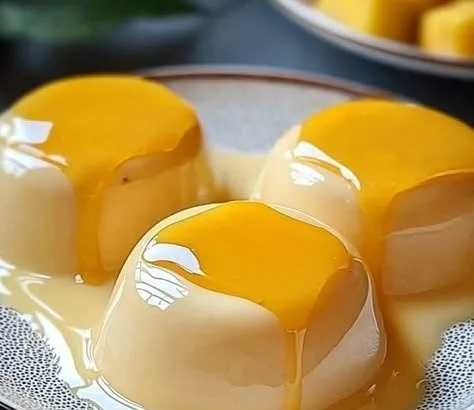
There’s a particular kind of joy that comes from spooning into a bowl of cold mango pudding: the sweet perfume of ripe mangoes rising in the air, a silky, velvet texture that yields to the tongue, and a bright, sunny flavor that feels like summer in every bite. This pudding is light but satisfying, fruity but creamy, and carries a tropical warmth that lifts the mood. Whether you’re finishing a casual weeknight dinner, serving a crowd at a potluck, or treating yourself after a warm afternoon, this recipe delivers comfort and brightness in equal measure.
If you need a quick dessert for a family gathering or a make-ahead treat for entertaining, this pudding is ideal. For busy mornings when you want something fruity and soothing, it also pairs beautifully with a simple breakfast — try foreshadowing your brunch with a contrasting savory dish like the 10-minute Korean egg rice (gyeran bap) for a playful sweet-and-savory spread.
At a glance, this recipe is accessible to cooks of all levels and is forgiving with substitutions, making it a reliable go-to whenever ripe mangoes are in season.
At a Glance
- Prep Time: 10 minutes
- Cook Time: 10 minutes (to thicken on the stovetop)
- Total Time: ~2 hours 20 minutes (including chilling time)
- Servings: 4 (about 4 small ramekins)
- Difficulty Level: Easy
Nutrition Highlights
Nutritional values below are estimates per serving (1 of 4) and were calculated using USDA FoodData Central values for mango, canned coconut milk, granulated sugar, and cornstarch; values may vary depending on the exact products you use.
Per serving (approximate):
- Calories: 300–320 kcal
- Protein: ~1.8 g
- Carbohydrates: ~48 g (of which sugars ≈ 35–40 g)
- Fat: ~13 g
- Fiber: ~1.5–2 g
- Sodium: ~145 mg
Notes:
- These are approximate values intended to help with meal planning. For precision, check packaging labels or use a nutrition calculator with your exact ingredient brands. The USDA FoodData Central is an authoritative source for the base ingredient values used here. For general dietary guidance (calorie and nutrient needs), trusted resources include the CDC and Mayo Clinic.
Why You’ll Love It
- Flavor & Texture: The pudding balances the tropical sweetness and floral notes of ripe mango with a creamy, custard-like mouthfeel from the coconut milk and cornstarch. Each spoonful is smooth, fruity, and slightly indulgent without being heavy.
- Ease & Speed: Minimal hands-on time and simple pantry ingredients mean you can make this on a weeknight or prepare it ahead for guests.
- Versatility & Comfort: It’s a nostalgic, crowd-pleasing dessert that evokes sunny afternoons and family gatherings. It’s also naturally vegetarian and can be adapted for vegan, gluten-free, or lower-sugar preferences.
- Seasonal Delight: When mangoes are at their peak, this pudding captures that seasonality and fits perfectly into summer menus or tropical-themed celebrations.
How to Make Easy Simple Mango Pudding
Ingredients:
- 2 ripe mangoes, peeled and diced
- 1 cup coconut milk
- 1/2 cup granulated sugar
- 1/4 cup cornstarch
- 1/4 teaspoon salt
- 1 tablespoon vanilla extract
Optional ingredients and substitutions:
- For a richer dairy version: substitute coconut milk with 1 cup whole milk + 1/2 cup heavy cream.
- For firmer set (not vegan): replace 1–1.5 teaspoons cornstarch with 1 teaspoon unflavored powdered gelatin dissolved in 2 tablespoons warm water (bloom first).
- For a vegan firmer set: use 1/2–3/4 teaspoon agar-agar powder dissolved according to package instructions.
- To reduce sugar: use 1/3 cup sugar or an erythritol/monk-fruit blend, adjusting to taste.
- Add-ins: lime or lemon zest, cardamom, toasted coconut, or a swirl of plain yogurt.
Step-by-step instructions:
- In a blender, blend the diced mangoes until smooth. If you want an ultra-silky texture, press the puree through a fine-mesh sieve to remove fibrous bits.
- In a saucepan over medium heat, combine the coconut milk, sugar, cornstarch, and salt. Whisk continuously until the mixture is smooth and starts to thicken — about 6–8 minutes. Make sure there are no lumps of cornstarch; whisking constantly prevents them.
- Remove the saucepan from heat and stir in the mango puree and vanilla extract. Mix until uniform and slightly glossy.
- Pour the mixture into serving dishes or ramekins and let them cool slightly. Then refrigerate for at least 2 hours until set.
- Serve chilled and enjoy your tropical dessert.
Practical tips:
- Make a cornstarch slurry (mix cornstarch with a few tablespoons of the coconut milk until smooth) before adding to the saucepan if you’re worried about lumps. Adding cornstarch dry risks clumping.
- Avoid rolling the mixture at a hard boil — maintain a gentle simmer to prevent the coconut milk from splitting and to cook the starch evenly.
- If the pudding seems too thin after chilling, you can thicken it further by gently reheating with a small extra slurry of cornstarch mixed into cold liquid, then cool again.
- If using frozen mango chunks, thaw and drain excess liquid before blending to maintain proper texture.
Best Pairings
- Plain and elegant: a dusting of toasted shredded coconut or a sprig of fresh mint.
- With acidity: a few drops of lime juice or a sprinkle of lime zest brightens the sweetness.
- Crunch contrast: top with crushed pistachios, toasted almonds, or granola for texture.
- Light accompaniments: serve alongside a simple shortbread or coconut biscotti.
- Beverage pairings: jasmine or green tea, or a light roast coffee, balances the pudding’s sweetness.
For a brunch or light meal pairing, this pudding complements savory dishes; consider pairing it with protein-forward options such as dishes from this collection of low-carb, high-protein meal ideas to create a balanced spread.
Storing Leftovers
- Room temperature: Do not leave mango pudding at room temperature for more than 2 hours (per food safety guidelines) — dairy or coconut-based custards can support bacterial growth if left out longer.
- Refrigeration: Store in an airtight container for 3–4 days. Cover each ramekin with plastic wrap or transfer to a sealed container to prevent absorption of other fridge odors.
- Freezer: Not ideal. You can freeze mango pudding for up to 1 month, but texture will change (separation and graininess when thawed). If freezing, leave some headspace in a freezer-safe container and thaw overnight in the refrigerator; re-whisk gently before serving to recombine.
Insider Secrets
- Choose fully ripe mangoes: They should give slightly to the touch and smell fragrant at the stem. Alphonso, Ataulfo (honey mango), or Kent varieties yield a sweet, rich flavor and smooth texture.
- For silkier pudding: strain mango puree through a fine mesh to remove any stringy fibers.
- Temperature control: heat the coconut milk mixture slowly; high heat can cause the coconut milk to separate or scorch.
- Adjust sweetness after cooking: once cooled slightly, taste and add a teaspoon of sugar or a squeeze of citrus if needed — chilled flavors are subtler.
- Make-ahead tip: the pudding firms up as it cools; if you need a softer consistency for a parfait, reduce cornstarch by 1–2 tablespoons.
Creative Twists
- Mango-Chia Pudding: Fold in 2–3 tablespoons of chia seeds into the mango pudding before chilling for added texture and fiber (allow extra chilling time for chia to hydrate).
- Cardamom-Lime Mango Pudding: Add 1/4 teaspoon ground cardamom and 1 teaspoon lime zest to the pudding for a fragrant, slightly spiced variation.
- Layered Mango Parfait: Alternate mango pudding with Greek yogurt or whipped coconut cream and crushed biscuits for a layered dessert.
- Mango Panna Cotta Style: Replace cornstarch with 1 teaspoon gelatin (bloomed) if you prefer a silkier, jiggle-like set; this is not vegan. For a vegan panna cotta, use agar-agar per package instructions.
- Protein Boost: Stir in a few tablespoons of unflavored protein powder (whey or plant-based) after cooking and cool gently; this is helpful for a more filling dessert/snack.
Recipe Q&A
Q: Can I use frozen mango instead of fresh?
A: Yes — thaw and drain frozen mango before blending. If there’s excess water, reduce the coconut milk slightly to avoid a watery pudding.
Q: My pudding turned out lumpy. How can I fix it?
A: For small lumps, strain the hot mixture through a fine-mesh sieve into the serving dishes. For larger issues, gently reheat and whisk vigorously or blend briefly, then chill.
Q: Can I make this lower in sugar?
A: Yes — reduce sugar to 1/3 cup or use a sugar substitute suitable for cooking (erythritol, stevia blends). Taste and adjust since sweetness levels vary.
Q: How do I make it firmer without cornstarch?
A: Use gelatin (for non-vegan) or agar-agar (for vegan) following package instructions to achieve a firmer set.
Q: Is this recipe gluten-free?
A: Yes — as written (cornstarch is naturally gluten-free), but always check labels for cross-contamination if you have celiac disease.
Conclusion
This easy, simple mango pudding is a small bowl of sunshine: quick to make, flexible to adapt, and perfect for sharing. Try the basic recipe as written, then play with the creative twists to make it your own — whether that’s a cardamom-laced version for guests or a protein-boosted snack for busy days. If you’d like a video walk-through to follow along while you cook, the Mango Pudding (video) by Little Sweet Baker is a helpful visual companion, and if you want another written take on a similar dessert, Christie at Home’s Easy Simple Mango Pudding offers useful tips and variations. Share your results, photos, and tweaks — I’d love to hear how you make this pudding your own.