French Macarons: The Incredible Ultimate Guide to 7 Amazing Flavors
Introduction
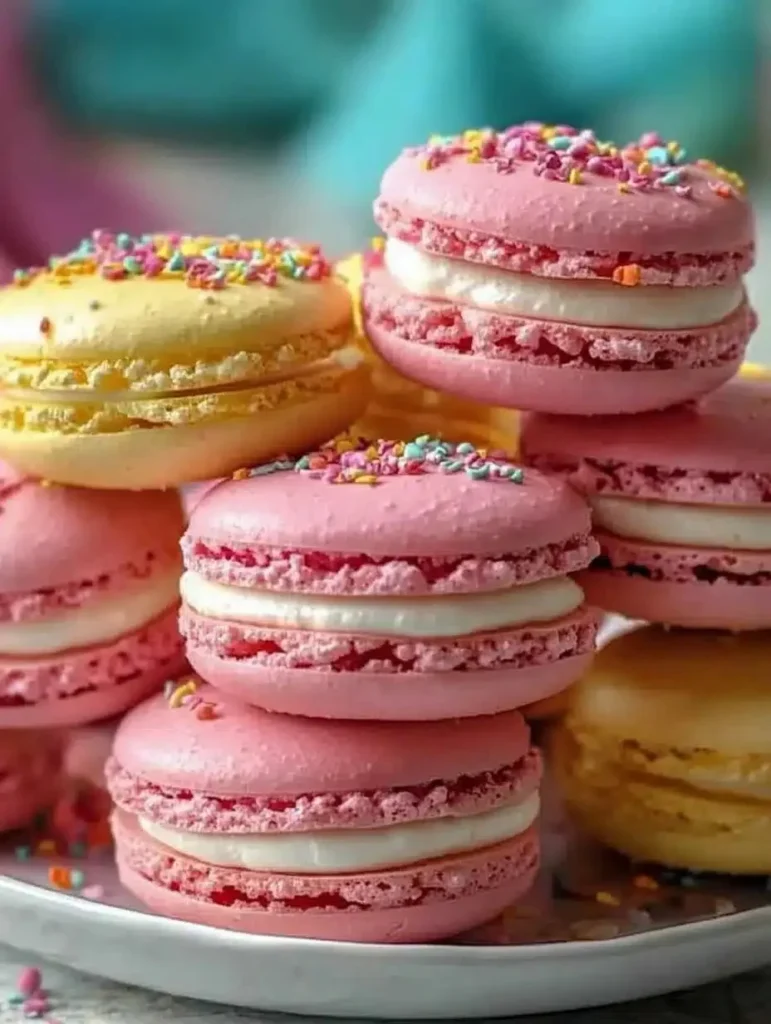
Imagine opening a tin of freshly baked French macarons: a soft waft of almond and vanilla rises to meet you, a whisper of sugar, and then the first bite — a glossy shell that gives way with a delicate crack, revealing a chewy interior and a ribbon of silky filling. The texture is a near-miracle: crisp outside, tender inside, and rich filling that melts on the tongue. The flavors range from bright citrus zing to deep chocolate comfort, and each macaron feels like a tiny, elegant celebration.
This recipe is perfect for special occasions (weddings, showers, holiday platters), intimate tea parties, or when you want to impress friends with something that looks bakery-level but is deeply satisfying to make at home. They’re also wonderful for gifting in pretty boxes or sharing with loved ones on cozy mornings. If you’re building a brunch spread, consider pairing these petite treats with a warm, comforting element like our cinnamon-banana breakfast for contrast—sweet and delicate meets hearty and homey.
At-A-Glance
- Prep Time: 45 minutes (plus 1–2 hours for egg whites aging if desired)
- Cook Time: 12–16 minutes per oven batch
- Total Time: 1 hour 15 minutes active (longer if you rest shells 30–60 minutes before baking)
- Servings: Makes approximately 20 sandwich macarons (about 40 shells) — yields vary by piping size
- Difficulty Level: Intermediate — precision and technique matter, but it’s achievable with patience and practice
Nutrition Highlights
Estimated nutrition per 1 sandwich macaron (one filled cookie, approximately 1.5–2 inches across). These are estimates calculated from standard ingredient values (almond flour, sugar, egg whites, buttercream) using USDA FoodData Central nutrient profiles and dietary guidance from Mayo Clinic for context. Actual values will vary with filling choice and portion size.
- Calories: ~140 kcal
- Protein: ~1.6 g
- Carbohydrates: ~18.5 g
- Sugars: ~16–17 g
- Fiber: ~0.5 g
- Fat: ~6.5 g
- Saturated fat: ~3.5 g
- Sodium: ~35 mg
Notes on accuracy: These figures are estimates for a typical buttercream-filled macaron and assume the full batch (ingredients listed below, including a modest buttercream) yields about 20 sandwich macarons. For precise tracking, weigh your final batch and use ingredient-specific nutrition labels or food databases like USDA FoodData Central. For general health guidance, resources such as the Mayo Clinic and CDC recommend moderation of added sugars and saturated fats, which are present in these treats.
Why You’ll Love It
- Irresistible taste and aroma: Almond and vanilla mingle with your chosen flavoring for layered taste experiences — from floral to intensely chocolatey.
- A social, memory-making project: Piping shells and customizing colors and flavors is a delightful activity to share with friends or family. The final boxes make thoughtful gifts.
- Small-batch indulgence: Each macaron is a controlled portion of luxury — satisfying without overindulgence.
- Seasonal and celebratory: Tailor colors and flavors for holidays (lavender for spring, cinnamon or caramel for autumn) to make a themed dessert table.
How to Make French Macarons: The Incredible Ultimate Guide to 7 Amazing Flavors
Ingredients (makes ~40 shells / ~20 sandwiches)
- 1 cup (96 g) almond flour (blanched, finely ground)
- 2 cups (240 g) powdered sugar, sifted
- 3 large egg whites, aged if possible and at room temperature
- 1/4 cup (50 g) granulated sugar
- 1 teaspoon vanilla extract (or other extract flavor)
- Gel food coloring (optional; a few drops per color)
- Filling of choice (see variations): ~1/2 cup buttercream, ganache, or jam (recipe below for simple buttercream)
Optional ingredients & substitutions
- Substitute almond flour with superfine almond meal (ensure it’s finely ground) — not all almond meals are suitable. For nut-free/vegan options see Variations.
- Use aquafaba (chickpea brine) for vegan macaron shells (requires different whipping technique).
- Flavor extracts: almond, lemon, pistachio, rose water — use sparingly.
Simple Buttercream Filling (for about 20 sandwiches)
- 1/2 cup (113 g) unsalted butter, room temperature
- 1 cup (120 g) powdered sugar, sifted
- 1 tsp vanilla extract
- 1–2 tbsp milk or cream, if needed for consistency
Method & Process
Making French macarons can be a fun and rewarding process if followed correctly. Here’s a step-by-step guide to ensure success:
- Prep: Line two baking sheets with parchment or silicone mats. Fit a piping bag with a round tip (about 1/2 inch). Preheat oven to 300°F (150°C).
- Sift dry ingredients: Sift the almond flour and powdered sugar together twice into a large bowl to remove lumps and aerate. Discard any large pieces.
- Whip egg whites: In a clean, grease-free bowl, whisk egg whites until foamy. Gradually add granulated sugar and whip to stiff, glossy peaks. (If making colored shells, add gel coloring at soft-peak stage to get an even tone.)
- Macaronage (folding): Gently fold one-third of the dry mixture into the egg whites to lighten, then add the rest. Fold until the batter flows in a thick ribbon and can fall back into the bowl in a continuous ribbon — about 50–70 folds. Avoid overmixing (too runny) and undermixing (too stiff).
- Tip: Batter should spread slightly but hold a rounded top for a few seconds.
- Pipe shells: Transfer batter to piping bag. Pipe 1.25–1.5 inch rounds, 1 inch apart. Tap the trays firmly on the counter 2–3 times to release air bubbles.
- Rest: Let piped shells rest at room temperature for 30–60 minutes until a skin forms and the surface is no longer sticky when touched. This helps create the macaron “feet.”
- Bake: Bake one tray at a time for 12–16 minutes, rotating halfway through for even browning. Shells are done when they don’t wobble and lift cleanly from the paper. (Every oven differs — test with one tray.)
- Cool & fill: Cool completely on the tray, then pair similar-sized shells and pipe about 1 teaspoon (or desired amount) of filling onto one shell and sandwich with its mate. Refrigerate sandwiched macarons in an airtight container for 24 hours to mature flavor and texture (optional but recommended for best results). Bring to room temperature before serving.
Practical tips
- Use a scale for the best consistency (weights are more reliable than cups).
- Age egg whites by separating and refrigerating in a covered container 24–48 hours; bring to room temp before whipping — this can improve stability.
- Avoid humidity — choose a dry day if possible.
- If shells crack or don’t develop feet, check oven temperature with an oven thermometer; lower or higher temps can ruin development.
Best Pairings
- Classic pairings: Earl Grey or Darjeeling tea, lightly roasted coffee, or a parfait of lemon posset.
- For brunch: serve alongside fruit, yogurt, and small tarts for a pretty spread. If you prefer a rustic contrast, pair a single macaron with a warm savory-sweet dish from our baked sweet potatoes recipe.
- Gift presentation: arrange in pastel boxes with tissue paper; include a flavor label (e.g., “Pistachio Rose” or “Salted Caramel Chocolate”).
Storage Instructions
- Room temperature: Store in an airtight container for up to 2 days. Keep away from heat and humidity.
- Refrigeration: For filled macarons, refrigerate in an airtight container for up to 7 days. Bring to room temperature 20–30 minutes before serving for best texture.
- Freezer: Freeze unfilled shells or filled macarons in a single layer inside an airtight container for up to 2–3 months. Thaw in the refrigerator first, then bring to room temperature before serving.
Safety note: Macarons contain egg whites; follow safe food-handling practices. If serving to at-risk individuals (young children, elderly, pregnant), consider pasteurized egg whites or fully cooked fillings and consult guidance from CDC or local food safety agencies.
Chef’s Advice
- Grind and sift: The finer your almond flour and the more thoroughly you sift, the smoother your shells will be. Invest in a good sifter.
- The batter’s consistency is king: Learn the ribbon test — it’s the most reliable cue. Batter that’s too loose will spread and lose shape; too thick will lead to peaked shells.
- Temperature control: An oven thermometer is worth the cost. Baking at even a few degrees off can change feet development.
- Practice color in small batches: Gel coloring provides more control without adding liquid.
- Patience pays off: Resting shells and maturing filled macarons overnight dramatically improves texture and flavor meld.
Creative Twists
Try these variations to explore seven amazing flavors and more:
-
Pistachio Rose
- Shells: Fold 1–2 tbsp finely ground pistachios into the dry mix (reduce almond flour slightly).
- Filling: Rose buttercream (butter, powdered sugar, a drop of rose water), garnish with crushed pistachios.
-
Raspberry Lemon
- Shells: Add a drop lemon oil to the shells or tint pale yellow.
- Filling: Raspberry jam + a lemon cream center (blend jam with softened cream cheese or a lemon curd).
-
Chocolate Ganache (Dark)
- Shells: Cocoa powder in shells (sub 1–2 tbsp almond flour with cocoa).
- Filling: Dark chocolate ganache (equal parts cream and dark chocolate by weight).
-
Salted Caramel
- Shells: Neutral shells; fill with thick salted caramel and a dab of ganache for structure.
-
Lavender Honey
- Shells: Infuse a touch of culinary lavender into the sugar (use sparingly).
- Filling: Honey buttercream or lavender-infused white chocolate ganache.
-
Matcha Green Tea
- Shells: Add 1–2 tsp high-quality matcha to the dry mix.
- Filling: White chocolate ganache or matcha buttercream.
-
Vegan/Gluten-Free Option
- Shells: Use aquafaba whipped to stiff peaks in place of egg whites (see specialized recipes). Use almond or oat flour blends for texture. Fill with coconut cream ganache or fruit curd.
Frequently Asked Questions
Q: My macarons are hollow inside — why and how to fix it?
A: Hollow centers often result from over-whipping meringue or under-mixing during macaronage. Ensure stiff peaks but not grainy whites, and fold until the batter flows but isn’t runny.
Q: Can I make macarons without almonds?
A: Yes—nut-free macaron recipes exist using oat flour or specially formulated gluten-free blends, but shells behave differently and need recipe-specific adjustments.
Q: Why didn’t my macarons get “feet”?
A: Common causes: not resting shells long enough to form a skin, oven too hot/too cold, or batter consistency off. Adjust resting time and check oven temp with a thermometer.
Q: How do I color shells without changing texture?
A: Use concentrated gel or powdered colors. Add at soft-peak stage to achieve uniform color without adding liquid.
Q: Are macarons healthy?
A: Macarons are a small, indulgent dessert. They provide modest protein from almond flour and egg whites but contain added sugars and fat from fillings. For health guidance on sugar and fat intake, consult resources like the Mayo Clinic or CDC.
Conclusion
Baking French macarons is part science, part art — but with patience and the right technique, you’ll be rewarded with delicate, gorgeous cookies that taste as lovely as they look. Try a small test batch, experiment with the seven flavor ideas above, and don’t be discouraged by early batches; skill improves quickly with practice. For a focused beginner’s walkthrough that complements this guide, check out The Ultimate Beginner’s Guide to French Macarons. And if you’re inspired by French pastries and want travel-flavored inspiration for future hostess gifts or themed parties, explore The Ultimate Guide to Exploring Paris | Wildjoy for cultural context and ideas.
If you try these macarons, please share your photos and notes — I’d love to hear how your flavors and colors turned out. Join the conversation and baking community by leaving a comment or tagging your photos; the best tips often come from fellow bakers.