Juicy Spiral Beef Roast
Introduction
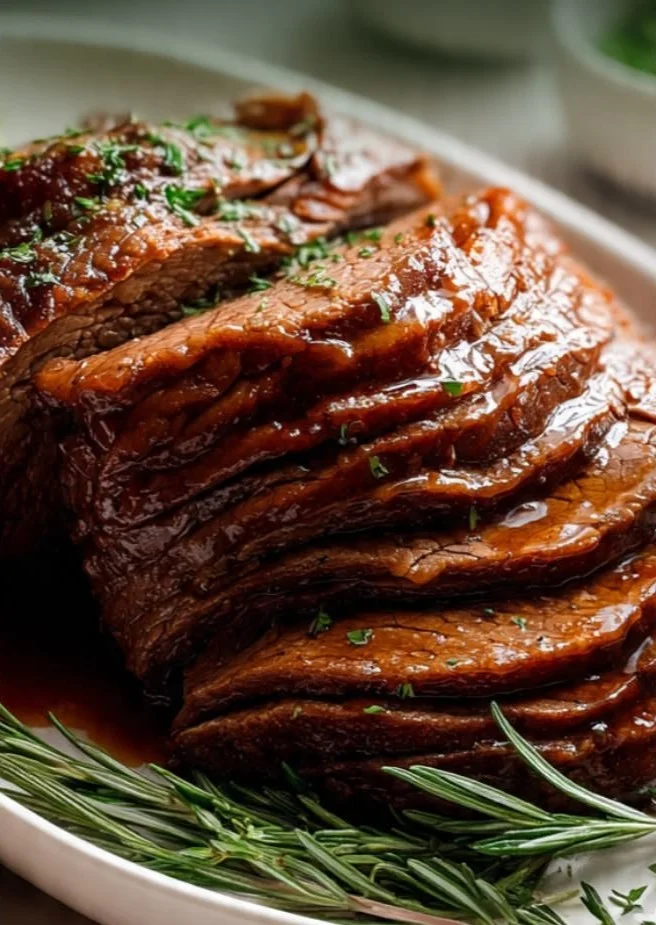
There’s a moment in the kitchen when the oven door opens and a wave of savory steam rolls out—the scent of caramelized brown sugar, balsamic tang, and roasted beef that’s been hugged by garlic and herbs. That first inhale tells you this spiral beef roast will be tender, glossy with glaze, and threaded with savory juices that cling to each slice. The crust offers a faint crunch, the interior a juicy, melt-in-your-mouth texture that yields willingly to a fork. Imagine the sticky-sweet glaze catching the light as you carve, the savory broth pooling on a platter—comfort food with a touch of celebration.
This recipe is perfect for holiday dinners, weekend gatherings, or a slow Sunday when you want the oven to do much of the work while you relax. It also scales well for leftovers—thin slices make excellent sandwiches for quick weekday lunches. If you’re exploring different roast techniques and like bold, balanced glazes, you might also enjoy this savory pot roast take on French onion flavors: juicy French onion pot roast.
Dish Snapshot
- Prep Time: 20 minutes active (plus 15 minutes resting)
- Cook Time: 1.5–2 hours (depends on roast size and desired doneness)
- Total Time: ~2 hours (plus resting)
- Servings: 8
- Difficulty Level: Moderate — straightforward steps, but you’ll need a meat thermometer and some timing patience
Nutrition Highlights
The following nutrition estimates are per serving (assuming 8 servings) and are based on typical values for roasted beef and the recipe’s glaze ingredients. Calculations use USDA FoodData Central entries for cooked roast beef and standard values for brown sugar and soy sauce; sodium guidance references Mayo Clinic/USDA food safety guidance. These are estimates—actual values depend on roast size, trimming, and exact ingredient brands.
Per serving (approximate):
- Calories: ~615 kcal
- Protein: ~58 g
- Total Fat: ~40 g
- Saturated Fat: ~15 g
- Total Carbohydrates: ~15 g
- Sugars: ~14 g
- Fiber: 0–1 g
- Sodium: ~500–700 mg (varies widely with soy sauce type)
Notes:
- Protein and fat estimates come from USDA roast beef nutrient profiles; the glaze (1/2 cup brown sugar) contributes most of the carbohydrates and sugars.
- Sodium can be high because of the soy sauce; using low-sodium soy sauce or reducing the amount will significantly lower the sodium per serving. (Sources: USDA FoodData Central; Mayo Clinic food and sodium guidance.)
Why You’ll Love It
There are many reasons to make this roast, but the top draw is the aroma-to-plate payoff: the glaze forms a caramelized, slightly sticky surface that contrasts brilliantly with tender, evenly cooked beef. This dish hits nostalgic notes—roasts evoke family dinners and holidays—while being surprisingly approachable for a weeknight if you pick a smaller roast. It’s also forgiving: slower oven time deepens flavor, and resting time makes slicing effortless. Pair it with simple sides and you have an impressive centerpiece with minimal fuss.
Method & Process
Ingredients
- 1 spiral beef roast
- Salt and pepper to taste
- 2 tablespoons olive oil
- 2 cloves garlic, minced
- 1 tablespoon fresh rosemary, chopped
- 1 tablespoon fresh thyme, chopped
- 1 cup beef broth
- 1/4 cup soy sauce
- 1/2 cup brown sugar
- 1/4 cup balsamic vinegar
Optional ingredients and substitutions:
- Use low-sodium soy sauce to cut overall sodium.
- Substitute brown sugar with maple syrup (1:1) or honey for a different sweet profile.
- Swap fresh herbs with 1 teaspoon each dried rosemary and thyme if needed.
- For gluten-free: use tamari or a certified gluten-free soy sauce.
Step-by-step, numbered instructions
- Preheat your oven to 350°F (175°C).
- Season the beef roast generously with salt and pepper.
- In a large skillet, heat the olive oil over medium heat. Add the minced garlic, chopped rosemary, and chopped thyme, sautéing until fragrant (about 30–45 seconds).
- Place the roast in a roasting pan.
- Pour the beef broth and soy sauce over the roast to create a flavorful base.
- In a small bowl, mix the brown sugar and balsamic vinegar to create the glaze. Brush the glaze evenly over the roast.
- Roast in the oven for about 1.5 to 2 hours, or until the internal temperature reaches your desired doneness (125–130°F for rare, 135°F for medium-rare, 145°F for medium). Check with an instant-read meat thermometer inserted into the thickest part.
- Remove the roast and let it rest for 15 minutes before slicing; this helps the juices redistribute and keeps slices moist.
- Serve with drizzled glaze and any leftover pan juices.
Practical tips:
- Sear first (optional): for extra color and flavor, sear the roast in the skillet 1–2 minutes per side before transferring to the roasting pan.
- Use a reliable meat thermometer to avoid overcooking; ovens vary.
- Apply additional glaze during the last 15–20 minutes of roasting for a stickier finish, but watch closely to prevent burning.
- Don’t skip resting—cutting too soon loses a lot of the juices to the cutting board.
Best Pairings
- Classic: Serve with creamy mashed potatoes or buttered egg noodles to soak up the glaze and juices.
- Bright contrast: A simple arugula salad with lemon vinaigrette adds peppery lift and acidity.
- Vegetables: Roasted root vegetables (carrots, parsnips, red onions) complement the caramelized glaze.
- Sandwich idea: Thinly sliced roast on toasted rolls with horseradish mayo or grainy mustard makes a superb leftover sandwich.
- Beverage pairings: A medium-bodied red wine (Merlot or Malbec) or a robust iced tea works well.
Presentation tip: For an elegant platter, fan thin slices and spoon warm pan juices over the top just before serving.
Shelf Life & Storage
Safe storage and timeframes (based on USDA food safety recommendations):
- Room temperature: Do not leave cooked roast at room temperature for more than 2 hours (1 hour if ambient temperature is above 90°F / 32°C).
- Refrigerator: Store in an airtight container for 3–4 days.
- Freezer: Freeze slices or trimmed pieces in freezer-safe bags/containers for up to 2–3 months for best quality. Thaw overnight in the refrigerator before reheating.
Reheating tips: Reheat gently in a low oven (about 300°F / 150°C) covered with foil, or in a skillet with a splash of beef broth to retain moisture. Microwave in short intervals if needed, but softer texture is best preserved in the oven or covered skillet.
Chef’s Advice
- Choose the right roast: Look for a spiral-cut or boneless roast with some marbling—fat equals flavor and juiciness. A 3–4 lb roast usually serves 6–8.
- Trimming: Trim excessive external fat if desired, but leave a thin cap to help baste the meat while roasting.
- Glaze balance: The brown sugar and balsamic provide sweet and tangy balance; taste and adjust glaze sweetness or acidity if using substitutes.
- Thermometer placement: Insert the thermometer into the center of the roast but away from bone (if present) for accurate reading.
- Slice thin against the grain for maximum tenderness—this is especially important for larger muscles.
Fun Flavor Ideas
- Asian-Inspired Glaze
- Swap brown sugar for honey, add 1 tablespoon grated ginger and 1 tablespoon hoisin sauce; garnish with toasted sesame seeds and scallions. Use low-sodium soy or tamari for gluten-free adaptation.
- Red Wine & Herb Roast (Mediterranean twist)
- Replace half the beef broth with 1/2 cup red wine, omit the brown sugar, and add a tablespoon of Dijon mustard to the glaze. Finish with fresh parsley and rosemary.
- Slow-Cooker Variation
- Sear roast, then move to a slow cooker. Combine broth, soy sauce, garlic, and herbs; cook on low 6–8 hours. In the last 30 minutes, add the brown sugar–balsamic glaze and baste.
- Lower-Sugar Option
- Replace brown sugar with an equal amount of powdered erythritol or reduce sugar to 1/4 cup and add a splash of orange juice for acidity.
If you want to explore other beef-centered weeknight or meal-prep ideas, check out this collection of easy ground-beef recipes for more inspiration: 30 delicious easy ground beef recipes.
Recipe Q&A
Q: Can I use a different cut than spiral roast?
A: Yes—boneless top round, eye of round, or rump roast work, though cook times and texture vary. Use a thermometer to check doneness.
Q: How do I prevent the glaze from burning?
A: Apply most of the glaze near the end of roasting (last 20 minutes) and baste periodically. If browning too fast, tent with foil.
Q: Is this recipe gluten-free?
A: Not as written—regular soy sauce contains wheat. Substitute tamari or gluten-free soy sauce (or coconut aminos) to make it gluten-free.
Q: What if the roast is dry?
A: Don’t overcook; use a thermometer and rest the meat. If dry, slice thinly and serve with warm pan juices or a light gravy to rehydrate slices.
Q: Can I prepare this ahead?
A: You can glaze and refrigerate the roast one day ahead; bring to room temperature before roasting and follow cooking instructions. Reheat gently when serving.
Conclusion
This Juicy Spiral Beef Roast balances sweet, tangy, and savory notes while delivering a tender, crowd-pleasing centerpiece that’s equally suited to holidays or cozy family dinners. If you like experimenting with glazing techniques and want ideas for getting that ideal balance of sticky-sweet surface without dryness, consider tips from a method-focused test of spiral-glazed roasts at The Kitchn’s spiral ham cooking tests. For inspiration on alternative charred or grilled roast preparations, the charcoal-grilled approach outlined here is a great resource: Easy charcoal-grilled roast beef guide.
I’d love to see your results—share notes, photos, or your glaze tweaks in the comments and join our growing community of home cooks.