
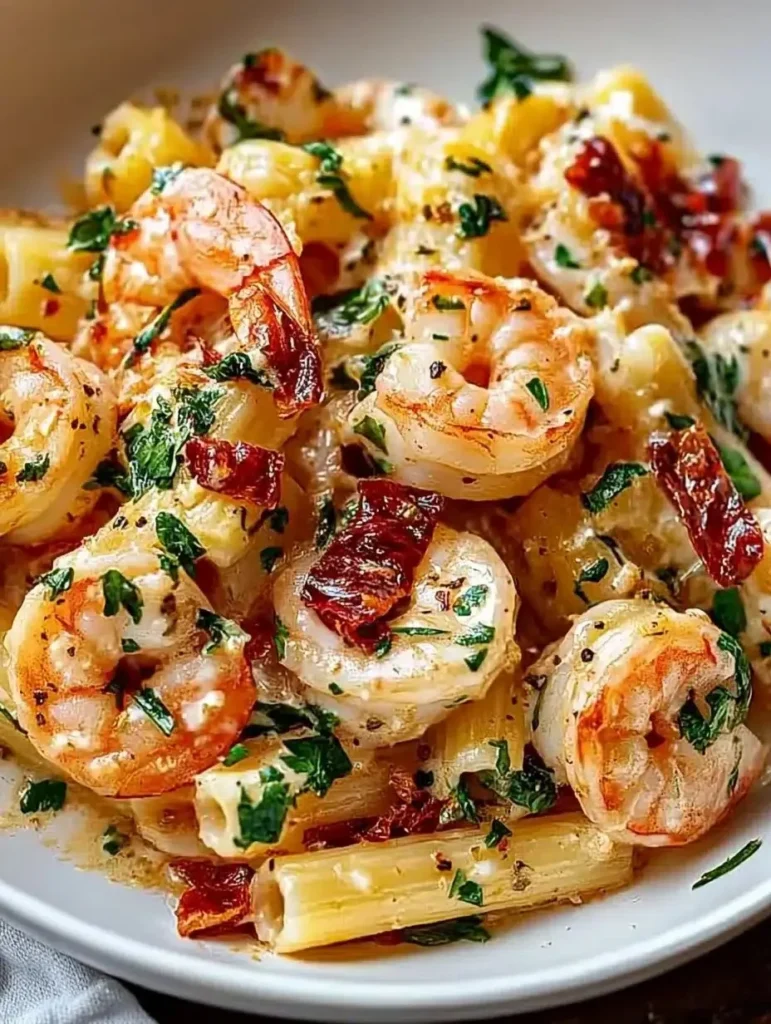
Rich Tuscan Shrimp Pasta: An Amazing Ultimate Recipe
Introduction
Imagine a steaming bowl of silky pasta, the aroma of garlic and olive oil rising to meet you, tender shrimp coated in a luxuriously creamy tomato-tinged sauce, and a bright ribbon of wilted spinach adding color and a delicate bite. The sauce clings to each strand of linguine, with a whisper of red pepper heat and the salty, nutty kiss of fresh Parmesan. Texturally, this dish balances al dente pasta, succulent shrimp, and a velvety sauce that begs to be sopped up with crusty bread.
This recipe is perfect for weeknight dinners when you want something fast but restaurant-worthy, intimate date nights, or weekend gatherings where you want a dish that feels indulgent without being fussy. If you enjoy bold shrimp dishes, you might also like a quick, crispy alternative like this air-fryer version of garlic parmesan shrimp for a lighter, speedy starter: air fryer garlic parmesan shrimp.
Dish Snapshot
- Prep Time: 10 minutes
- Cook Time: 15 minutes
- Total Time: 25 minutes
- Servings: 4
- Difficulty Level: Easy — great for cooks of all levels
Nutrition Highlights
Estimated nutrition per serving (1 of 4 servings). These are approximate values calculated from standard ingredient databases (USDA FoodData Central) and checked against guidance from reputable health sources (Mayo Clinic) for macro and micronutrient context. Values will vary by brand and specific product choices.
- Calories: ~700 kcal
- Protein: ~42 g
- Carbohydrates: ~65 g
- Fiber: ~3–4 g
- Sugars: ~3–5 g
- Fat: ~34 g
- Saturated Fat: ~18–22 g
- Cholesterol: ~200–250 mg
- Sodium: ~500–900 mg (highly dependent on added salt and whether shrimp/parmesan are salted)
- Vitamin & mineral highlights: Good source of protein, vitamin B12 (from shrimp), and calcium (from Parmesan).
Notes on accuracy and health: These numbers are estimates based on ingredient averages from the USDA FoodData Central and rounded for clarity. Heavy cream and Parmesan increase saturated fat and calories; if you’re watching saturated fat, consider lower-fat dairy alternatives (see Variations). For general heart-health guidance, consult resources such as the Mayo Clinic on saturated fat and cholesterol recommendations.
Why You’ll Love It
This dish wins on multiple fronts:
- Aromatic and comforting: garlic, olive oil, and cream form a rich base that fills the kitchen with irresistible fragrance.
- Textural contrast: plump, snap-ready shrimp against al dente pasta and tender spinach keeps each bite interesting.
- Fast comfort food: ready in about 25 minutes, it feels upscale but fits busy schedules.
- Social and nostalgic: it’s the kind of dinner that sparks compliments and can become a family favorite or date-night staple.
- Flexible and season-friendly: add sun-dried tomatoes in winter or extra lemon and herbs in summer for brightness.
How to Make Rich Tuscan Shrimp Pasta: An Amazing Ultimate Recipe
Ingredients
- 12 oz (340 g) linguine or fettuccine pasta
- 1 lb (454 g) large shrimp, peeled and deveined
- 2 tablespoons olive oil
- 4 cloves garlic, minced
- 1 cup (240 ml) heavy cream
- 1 cup fresh spinach (packed)
- 1 teaspoon Italian seasoning
- ½ teaspoon red pepper flakes (adjust to taste)
- Salt and freshly ground black pepper, to taste
- ¼ cup (25–30 g) grated Parmesan cheese, for garnish (plus extra to serve)
- Fresh parsley, chopped, for garnish (optional)
Optional ingredients and substitutions
- Swap 1 cup cherry tomatoes (halved) for a brighter, tangy note.
- Use half-and-half or whole milk (thickened with 1 tsp cornstarch) for a lighter sauce.
- Replace pasta with gluten-free pasta to make it gluten-free.
- Substitute coconut cream and vegan Parmesan for a dairy-free/vegan version (see Variations).
Step-by-step Instructions
- Bring a large pot of salted water to a boil. Cook pasta according to package directions until al dente. Reserve 1 cup of pasta cooking water, then drain pasta.
- While the pasta cooks, pat shrimp dry and season lightly with salt, pepper, and a pinch of Italian seasoning.
- Heat 1 tablespoon olive oil in a large skillet over medium-high heat. Add shrimp and cook 1–2 minutes per side until pink and opaque (do not overcook). Transfer shrimp to a plate and set aside.
- Reduce heat to medium. Add the remaining tablespoon olive oil to the skillet, then add minced garlic and red pepper flakes. Sauté 30–45 seconds until fragrant (do not brown).
- Pour in the heavy cream, stir in Italian seasoning, and bring to a gentle simmer. Let the sauce reduce slightly for 2–3 minutes.
- Stir in the fresh spinach until wilted, then add the cooked pasta to the skillet. Toss to coat, adding reserved pasta water a little at a time to loosen the sauce as needed.
- Return cooked shrimp to the pan and toss gently to combine and heat through, 1–2 minutes.
- Remove from heat and stir in grated Parmesan cheese. Taste and adjust salt and pepper.
- Serve immediately, garnished with chopped parsley and extra Parmesan.
Practical tips
- Avoid overcooking shrimp: pull them off heat as soon as they turn opaque and curled.
- Reserve pasta water: the starch helps the sauce cling to noodles.
- If the sauce appears too thin after adding shrimp, simmer gently to reduce; if too thick, thin with a splash of pasta water.
- For neater plating, twirl pasta with tongs to create a nest, then lay shrimp across the top.
Serve It Up
- Classic: Serve alone as a satisfying main course with a lemon wedge on the side to brighten flavors.
- Side pairings: A crisp green salad with vinaigrette, roasted asparagus, or sautéed green beans balance the richness.
- Bread: Serve with crusty ciabatta or garlic bread to soak up the sauce.
- Wine pairing: A crisp Pinot Grigio, Sauvignon Blanc, or unoaked Chardonnay complements the cream and seafood.
- Family-style: Offer grated Parmesan, extra red pepper flakes, and chopped parsley at the table so guests can customize.
- Love Southern comfort? Pair with a creamy grit for a surf-and-turf-style mashup like this beloved take on shrimp and grits: shrimp and grits.
Storing Leftovers
- Room temperature: Do not leave cooked shrimp pasta out at room temperature for more than 2 hours (1 hour if above 90°F/32°C). Discard if left longer for food safety.
- Refrigeration: Store in an airtight container for up to 3–4 days. Reheat gently on the stovetop over low heat with a splash of milk or broth to re-emulsify the sauce.
- Freezer: You can freeze for up to 1–2 months, but cream-based sauces can separate on thawing. To freeze, cool completely, place in airtight freezer containers, and thaw overnight in the refrigerator before reheating; finish with a splash of cream or milk and whisk to restore texture.
Insider Secrets
- Best shrimp: Large (16/20) or jumbo shrimp work well — they’re meaty and maintain texture when cooked quickly.
- Heat control: Use medium to medium-high heat for shrimp searing; drop to medium for the sauce to avoid curdling the cream.
- Sauce silkiness: Finish the sauce off heat with Parmesan to prevent graininess and stir briskly so it melts into the cream.
- Flavor layering: Sauté garlic gently to release flavor without burning; add red pepper flakes early to bloom spice into the oil.
- Doneness cues: Shrimp are done when they’re opaque and have a slight "C" shape; tightly curled shrimp are likely overcooked.
- Prevent watery spinach: Add spinach off-heat or briefly wilt it so it doesn’t shed excessive water into the sauce.
Creative Twists
- Lighter Tuscan Shrimp Pasta: Use half-and-half or whole milk thickened with a teaspoon of cornstarch instead of heavy cream; increase spinach and add lemon zest for brightness.
- Vegan version: Swap shrimp for marinated and pan-seared king oyster "scallops" or large mushrooms, use coconut cream or cashew cream for richness, and choose nutritional yeast in place of Parmesan.
- Mediterranean boost: Add sun-dried tomatoes, artichoke hearts, and a splash of white wine to the sauce; finish with torn basil.
- Protein swap: Replace shrimp with seared salmon or pan-grilled chicken breast for a different seafood or poultry take.
- Low-carb swap: Use zucchini noodles or sweet potato noodles instead of pasta; adjust cooking times to prevent sogginess.
All Your Questions Answered
Q: Can I use frozen shrimp?
A: Yes. Thaw fully in the refrigerator overnight or under cold running water, then pat dry before cooking to avoid steaming and watery results.
Q: My sauce is too thin — how do I fix it?
A: Simmer gently to reduce until it thickens, or whisk in a small slurry of cornstarch and water. Adding grated Parmesan off heat also helps thicken and enrich it.
Q: How can I make this healthier?
A: Use half-and-half or evaporated skim milk instead of heavy cream, increase spinach and other vegetables, and reduce oil. Choose whole-grain or legume-based pasta for more fiber and protein.
Q: Can I prepare parts ahead?
A: Yes: cook pasta 80% and refrigerate, or make the sauce base ahead and reheat gently. Add shrimp at the last minute to avoid overcooking.
Conclusion
I hope this Rich Tuscan Shrimp Pasta inspires you to bring a little restaurant indulgence into your kitchen with minimal fuss. If you enjoyed the creamy, garlicky flavor profile, you might like other Tuscan-inspired seafood takes such as this comforting Creamy Tuscan Shrimp With Sweet Potato Noodles, or a heartier twist like Tuscan Salmon Fettuccine Alfredo – My Modern Cookery. Try the recipe, leave a comment below with your tweaks, and don’t forget to share photos so our community can celebrate your results.


