Uighur Polo — A Hearty Pilaf from Xinjiang
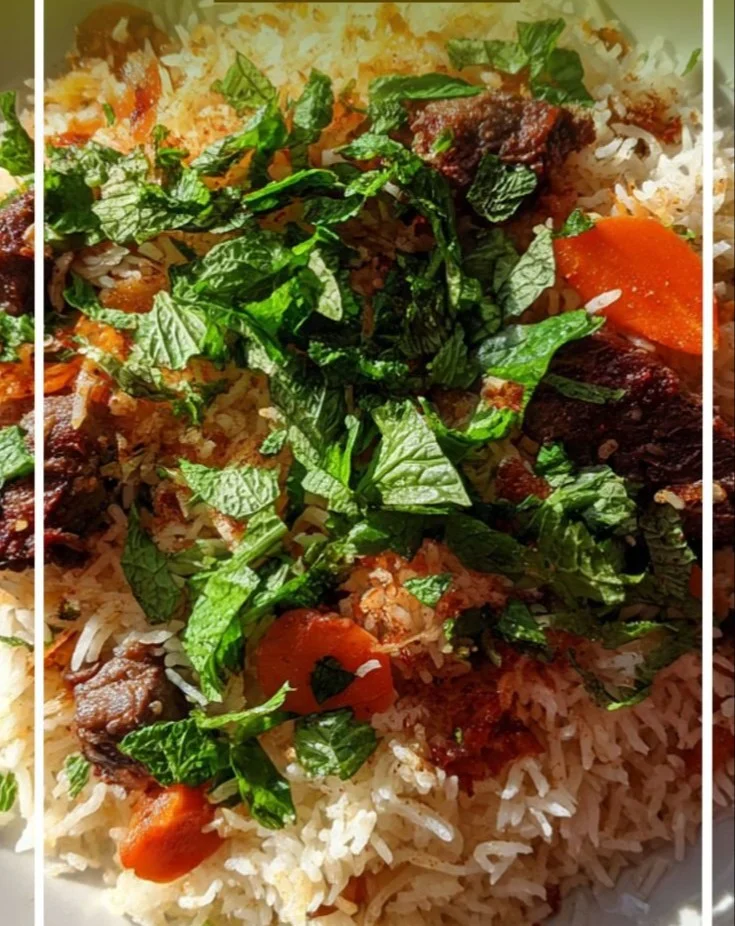
The first mouthful of Uighur Polo is a warm, fragrant embrace: grains of basmati that are plump and separate, flecked with tender cubes of beef and ribbons of sweet-simmered carrot. Steam rises, carrying toasted cumin and coriander, the sharpness of sautéed onion and garlic, and a savory depth from beef broth that feels like a hearthside memory. The texture is comforting — rice with a satisfying bite, soft meat threads that yield easily, and a slight caramelized edge from the onions and carrots. It’s the kind of dish that slows you down, invites conversation, and fills the kitchen with home.
This recipe is perfect for family gatherings, weekend feasts, or a cozy dinner that doubles as tomorrow’s easy lunch. It plays well as a centerpiece for a shared table, yet scales easily for weeknight meals when you want something comforting but not fussy. Uighur Polo also carries cultural warmth — a taste of Xinjiang hospitality — making it an excellent choice for festive occasions or when you want to introduce friends to a new, delicious tradition.
Dish Snapshot
- Prep Time: 35 minutes (includes 30-minute rice soak)
- Cook Time: 35–40 minutes (browning + simmering + rice cook time)
- Total Time: ~1 hour 10 minutes
- Servings: 4 generous portions
- Difficulty Level: Intermediate — simple techniques, timing matters
Nutrition Highlights
Estimated nutrition per serving (recipe yields 4 servings). Values are approximate, calculated using USDA FoodData Central reference values and rounded for clarity. Actual values will vary with specific ingredients (beef cut, oil amount, broth type).
- Calories: ~730 kcal
- Protein: ~35 g
- Carbohydrates: ~78 g
- Fat: ~30 g
- Fiber: ~4 g
- Sodium: Highly variable — ~500–900 mg (depends on broth and added salt)
Notes on these figures: these estimates are based on common values for basmati rice, raw beef, vegetables, oil, and broth from USDA FoodData Central. For precise tracking (if you need exact numbers for medical or dietary reasons), weigh your ingredients and consult a nutrition database or registered dietitian. Trusted health resources such as the CDC and USDA provide guidance on portion sizes and nutrition for balanced meals.
Why You’ll Love It
- Aroma that fills the room: Toasted cumin and coriander plus slow-simmered beef make the kitchen sing.
- Crowd-pleasing comfort: It’s substantial and satisfying, yet elegant enough to serve guests.
- Hands-off simmering: Once the ingredients are combined, the pot does most of the work — freeing you to socialize or prepare sides.
- Cultural and festive resonance: Polo is a central dish in Uyghur celebrations and daily life in Xinjiang; making it connects you to a rich culinary tradition.
- Balanced and flexible: Protein, grain, and vegetables in one pot; easy to tweak for health or flavor.
How to Make Uighur Polo
Ingredients
- 2 cups basmati rice
- 1 lb (about 454 g) beef, cubed (stewing beef or chuck recommended)
- 2 large carrots, sliced into matchsticks or coins
- 1 onion, chopped
- 4 cloves garlic, minced
- 1 tsp cumin seeds
- 1 tsp coriander seeds
- 2 bay leaves
- 4 cups beef broth
- Salt and pepper to taste
- 2 tbsp oil for cooking (vegetable, sunflower, or light olive oil)
Optional ingredients and substitutions
- Use lamb instead of beef for a more traditional regional flavor.
- Substitute chicken broth or vegetable broth (and swap beef for mushrooms or chickpeas) to make a lighter or vegetarian version.
- Add 1/4 cup raisins or chopped dried apricots with the rice for a sweet contrast.
- Replace basmati with long-grain jasmine if preferred; note that water ratios and texture may vary.
- For a low-sodium version, use homemade low-sodium broth and reduce added salt.
Step-by-step instructions
- Rinse the rice under cold water until the water runs clear, then soak for 30 minutes. Drain and set aside.
- In a large, heavy-bottomed pot, heat the oil over medium heat. Add cumin and coriander seeds and toast briefly until aromatic (about 30 seconds), then add onions and garlic. Sauté until translucent and fragrant, 4–6 minutes.
- Add the beef to the pot and brown on all sides, letting it develop color without crowding. This builds savory depth.
- Stir in the sliced carrots and continue to cook for a few minutes until they begin to soften.
- Add bay leaves, salt, and pepper, mixing well to coat the meat and vegetables.
- Pour in the beef broth and bring to a boil, scraping up any browned bits from the bottom of the pot. Reduce heat and simmer for 10–15 minutes to allow flavors to meld.
- Drain the soaked rice and gently add it to the pot, spreading it evenly over the meat and vegetables. Do not stir vigorously — you want the rice to sit in the liquid and steam.
- Reduce heat to low, cover tightly, and let it simmer until the rice is cooked and has absorbed all the liquid, about 20–25 minutes. Resist peeking too often.
- Turn off the heat and let the pot rest, covered, for 5–10 minutes. Fluff the rice gently with a fork before serving. Enjoy your Uighur Polo warm!
Practical tips
- Toast your whole spices briefly before adding aromatics to deepen flavor.
- Soaking the rice reduces cooking time and helps keep grains separate.
- Don’t over-stir after adding rice; stirring releases starch and can make the rice gluey.
- If liquid is absorbed but rice is still undercooked, add 1/4 cup hot broth or water, cover, and cook a few more minutes.
- Letting the dish rest off heat helps steam redistribute for even texture.
Best Pairings
- Traditional accompaniments: A simple cucumber and tomato salad dressed with vinegar and a touch of oil balances the richness.
- Sauces and condiments: Serve with plain yogurt or a garlicky yogurt sauce (mix plain yogurt with minced garlic and a pinch of salt) to add creaminess and tang.
- Beverages: Strong black tea (typical in Xinjiang) complements the savory spices; a light red wine or pomegranate juice also pairs nicely.
- Garnish ideas: Toasted sliced almonds, chopped fresh cilantro, or a squeeze of lemon brighten the dish.
- For a picnic or portable meal: Pack in airtight containers; add a lemon wedge and a small container of yogurt on the side.
Keeping it Fresh
- Room temperature: Do not leave cooked polo at room temperature longer than 2 hours (1 hour if ambient temperature is above 90°F / 32°C) — follow USDA food safety guidelines.
- Refrigeration: Store in an airtight container in the refrigerator for up to 3–4 days. Cool to room temperature for no more than 2 hours before refrigerating.
- Freezer: For longer storage, freeze portions in airtight, freezer-safe containers for up to 2–3 months. Thaw overnight in the refrigerator before reheating.
- Reheating: Reheat gently on the stovetop with a splash of broth or water to loosen the rice, or microwave covered, stirring halfway through. Ensure internal temperature reaches 165°F (74°C).
Chef’s Advice
- Best cuts of beef: Use chuck or other braising cuts — they become tender with slow cooking and add gelatinous richness.
- Spice precision: Whole cumin and coriander seeds yield brighter, less bitter flavors than pre-ground spices; lightly toast and then crush if you prefer a stronger note.
- Rice-to-liquid balance: Because basmati varies by brand, pay attention to grain size and adjust broth by 1/4 cup if rice appears too dry or too wet halfway through cooking.
- Texture cues: Rice should be tender but still separate. If it’s starchy and sticky, next time rinse longer and reduce stirring after adding rice.
- Build flavor in layers: Brown meat well, caramelize onions, and simmer ingredients before adding rice to develop depth beyond simple one-pot cooking.
Creative Twists
- Vegetarian/vegan polo: Swap beef for a mix of roasted eggplant, portobello mushrooms, and chickpeas. Use vegetable broth and add a splash of soy sauce for savory depth.
- Festive sweet-and-savory: Stir in 1/3 cup toasted slivered almonds, 1/3 cup raisins or chopped dried apricots, and a pinch of cinnamon for a celebratory variant often found at special gatherings.
- Spiced lamb version: Replace beef with lamb shoulder and add a pinch of ground black pepper and a couple of crushed red chilies for warmth.
- Herb-forward light version: Finish with a shower of chopped fresh dill and cilantro and serve with lemon wedges to lighten the palate.
- Quick weeknight adaptation: Use precut stew beef or leftover roast beef, and reduce simmer time; you can also cook rice separately and fold it into the meat-vegetable mixture for a faster assembly.
Common Questions & Answers
Q: Can I use other types of rice?
A: Yes. Long-grain rice like jasmine works, but water ratios and soak times may differ — adjust liquid and monitor cook time. Short-grain rice will be stickier and change the character of the dish.
Q: My rice turned out mushy — what went wrong?
A: Likely too much liquid, overcooking, or vigorous stirring that released starch. Next time, rinse rice thoroughly, reduce liquid slightly, and avoid stirring after adding rice.
Q: How can I make this healthier?
A: Use leaner cuts of beef, reduce added oil to 1 tbsp, use low-sodium broth, and bulk up with more carrots, peas, or chickpeas to increase fiber and lower calories per serving.
Q: Can I prepare components ahead of time?
A: Absolutely. Brown the beef and sauté the aromatics a day ahead; store separately in the fridge. Bring to a simmer and add soaked rice to finish before serving.
Q: Any tips for reheating without drying the meat?
A: Reheat gently with a splash of broth or water and cover the pot to trap steam. Microwaving in short intervals with stirring keeps meats tender.
Conclusion
I hope this Uighur Polo recipe inspires you to bring a touch of Xinjiang warmth to your table — whether for a shared family meal or a special occasion. For historical context and a traditional perspective on Polo, explore the detailed background at Uyghur Polo Introduction & Recipe — Far West China, and for another take on regional variations and storytelling around Polo, read the thoughtful piece titled King of The Uyghur Table: Polo — Dolan Chick. Share your results, tweaks, and photos — I’d love to hear how your pot turns out!
Print
Uighur Polo — A Hearty Pilaf from Xinjiang
- Total Time: 75 minutes
- Yield: 4 servings 1x
- Diet: Beef
Description
A warm, fragrant pilaf with basmati rice, beef, and sweet-simmered carrots, embodying Xinjiang’s culinary heritage.
Ingredients
- 2 cups basmati rice
- 1 lb beef, cubed (stewing beef or chuck recommended)
- 2 large carrots, sliced into matchsticks or coins
- 1 onion, chopped
- 4 cloves garlic, minced
- 1 tsp cumin seeds
- 1 tsp coriander seeds
- 2 bay leaves
- 4 cups beef broth
- Salt and pepper to taste
- 2 tbsp oil for cooking (vegetable, sunflower, or light olive oil)
Instructions
- Rinse the rice under cold water until the water runs clear, then soak for 30 minutes. Drain and set aside.
- In a large, heavy-bottomed pot, heat the oil over medium heat. Add cumin and coriander seeds and toast briefly until aromatic (about 30 seconds), then add onions and garlic. Sauté until translucent and fragrant, 4–6 minutes.
- Add the beef to the pot and brown on all sides, letting it develop color without crowding.
- Stir in the sliced carrots and continue to cook for a few minutes until they begin to soften.
- Add bay leaves, salt, and pepper, mixing well to coat the meat and vegetables.
- Pour in the beef broth and bring to a boil, scraping up any browned bits from the bottom of the pot. Reduce heat and simmer for 10–15 minutes.
- Drain the soaked rice and gently add it to the pot, spreading it evenly over the meat and vegetables.
- Reduce heat to low, cover tightly, and let it simmer until the rice is cooked and has absorbed all the liquid, about 20–25 minutes. Resist peeking too often.
- Turn off the heat and let the pot rest, covered, for 5–10 minutes. Fluff the rice gently with a fork before serving. Enjoy your Uighur Polo warm!
Notes
Toast whole spices for deeper flavor. Soaking rice reduces cooking time and helps keep grains separate. Adjust broth based on the rice used.
- Prep Time: 35 minutes
- Cook Time: 40 minutes
- Category: Main Course
- Method: Simmering
- Cuisine: Uighur
Nutrition
- Serving Size: 1 serving
- Calories: 730
- Sugar: 5g
- Sodium: 700mg
- Fat: 30g
- Saturated Fat: 10g
- Unsaturated Fat: 15g
- Trans Fat: 0g
- Carbohydrates: 78g
- Fiber: 4g
- Protein: 35g
- Cholesterol: 90mg